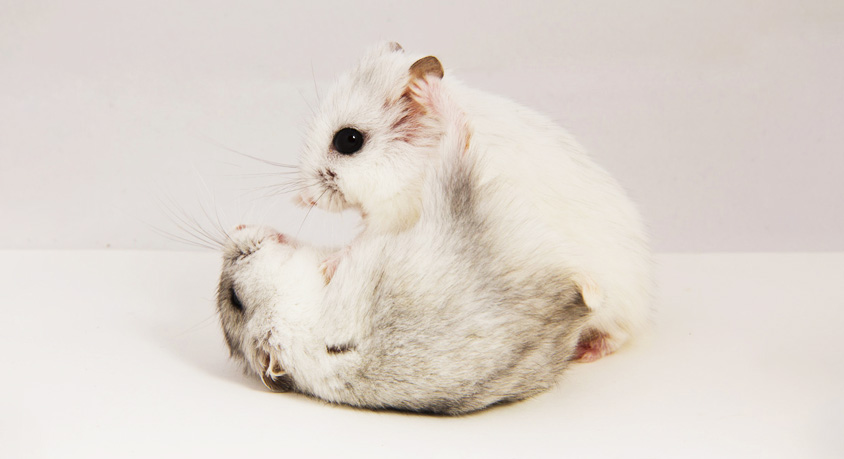
Teaching hamsters to use the bathroom like dogs can be quite challenging, as their little brains operate on their own logic. However, by cleverly leveraging their natural instincts, it's entirely possible to train them to urinate in a designated spot.
First, prepare a dedicated toilet area. Specialized litter boxes for small animals are available commercially, or you can make your own using a small plastic container. Crucially, ensure the entrance isn't too high, as hamsters have short legs and may avoid using it if climbing in and out proves too strenuous.
The placement of the toilet is crucial—it should be positioned as far as possible from its nest. For example, if the hamster's nest is in the bottom right corner of the cage, the toilet should go in the top left corner. This is because hamsters are naturally clean animals. In the wild, they instinctively choose spots far from their resting areas to eliminate, avoiding soiling their “bedroom.” Leveraging this instinct significantly increases the success rate.
For bedding material in the litter box, opt for hamster-specific bathing sand or standard paper bedding. Avoid cat litter products that clump when wet, as hamsters enjoy rolling in sand piles and may accidentally ingest these clumps, posing a risk of intestinal blockage. Safety always comes first.
Once these preparations are complete, observe your little friend's behavior. At first, it may be completely confused about the purpose of this new object. Start by noting where it typically urinates in the cage. If you notice a consistent spot for elimination, try relocating the litter box to that area. Following its established habits will make acceptance much easier.
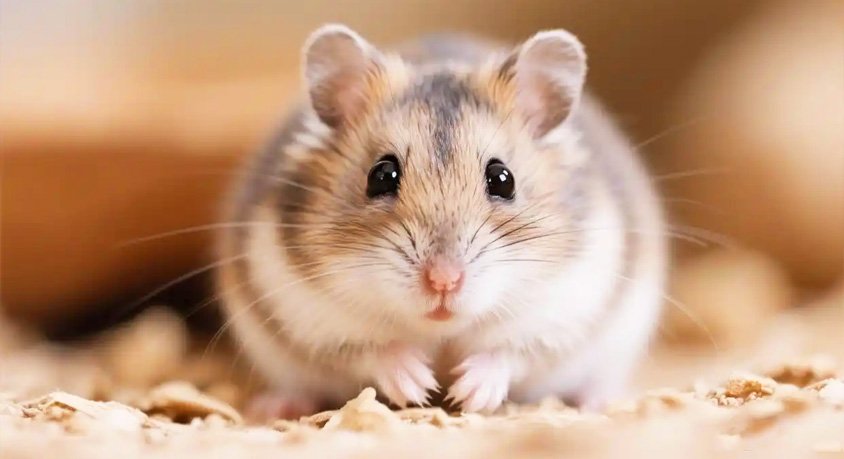
If it still doesn't recognize the new location after moving it, try another method: take some wood shavings or bedding from where the hamster has urinated and place them on the litter in the toilet to infuse it with its scent. Alternatively, collect its droppings and place them on the litter pile. This essentially tells it through scent: “This is where you should use the toilet!”
If none of these methods work... well, you could joke about putting it in diapers. But seriously, not every hamster will learn.
It's worth noting that different hamster breeds do vary in learning ability. Generally, larger golden hamsters tend to remember the toilet location more easily than Dwarf hamsters. Dwarf hamsters include the common Syrian hamster (commonly called three-lined), Campbell's hamster (one-lined), and Roborovski hamster (little old man). These little guys can sometimes be quite “free-spirited” and just won't remember the toilet no matter how you train them. If you've tried repeatedly without success, just relax and let it go! As long as placing a litter box doesn't severely impact the cleanliness of the living environment, let your hamster do as it pleases—after all, a harmonious relationship is what matters most.
However, hamster poop poses a bigger headache than pee. Even if they obediently use the litter box for urination, very few hamsters will use it for defecation—this is extremely common. Interestingly, wild hamsters share this habit—they dig dedicated latrine burrows in their nests, though these are mainly for urination. For defecation, they typically choose spots outside the latrine. Why this is so remains unclear to zoologists.
Additionally, if you notice your hamster occasionally performing peculiar actions—stuffing droppings into its mouth or holding them before spitting them out—there's no need for concern. This isn't an odd quirk. It stems from the fiber content in their diet. This fiber is broken down by bacteria in the cecum into carbohydrates, but these nutrients are excreted before being fully absorbed. To avoid waste, hamsters reingest their droppings for secondary digestion, enabling them to utilize 80% of the energy from their food. This is a unique digestive method entirely natural to them.
In summary, teaching a hamster to use a litter box requires patience and observation. Respect their instincts and accept individual differences. Success is wonderful, but don't be too concerned if it doesn't work out. After all, the most important thing is for your little friend to live a healthy and happy life.