Small animals have always been perceived as gentle and adorable by humans. But did you know? Some animal parents can be brutally cruel, devouring their own newborn offspring. As more people keep pets, these bloody scenes have gradually emerged, shocking many pet lovers and leaving them utterly bewildered. So how do these “cruel parents” in the animal kingdom come to be?
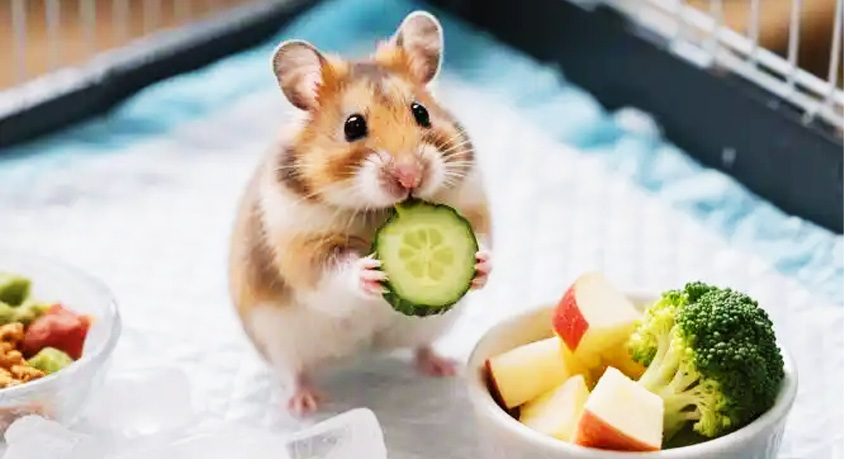
Case Study: Hamster Parents Devour Their Young. “It was horrifying—the tiny hamsters were eaten by their parents just two days after birth,” Mr. Smith recounted, still visibly shaken. He explained that last year, he bought a pair of hamsters at the pet market in Fuzimiao to keep his child company. After spring arrived, the seemingly affectionate pair gave birth to four babies.
However, to everyone's shock, two of the babies vanished just one day after birth. Mr. Smith initially didn't think much of it, but the scene on the fourth day left him utterly horrified.
“All the babies were gone from the cage. I saw one of the adult hamsters with blood all over its mouth and fur stuck to it—it was horrifying,” Mr. Smith recounted. “We were terrified the children would witness this, so we immediately gave the cage away! But the kids saw it anyway, leaving them deeply traumatized.”
Explanation: Pets can exhibit “infanticide.” Why would hamsters eat their young? The reporter sought clarification from Liao Xin at Nanjing University's School of Life Sciences, who specializes in abnormal animal behavior. Upon hearing this case, she explained it falls under “infanticide.” Wild animals in natural habitats often consume what they perceive as the weakest offspring in a litter. “Due to limited food availability, if they can't raise it, they'd rather eat it themselves than risk it being eaten by other animals after it dies,” Liao Xin explained. This is the animal's “infanticide behavior.” However, this occurs relatively rarely in nature because wild animals possess a strong instinct to protect their young and only resort to this as a last resort.
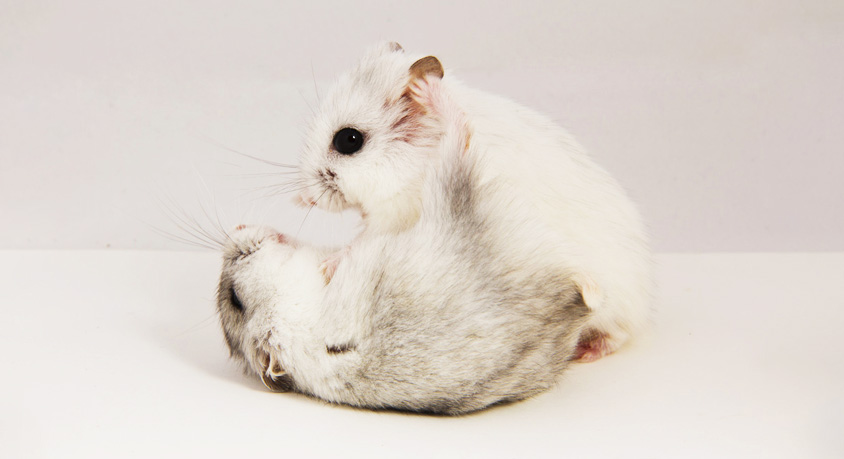
“But pets, influenced by human factors, can exhibit significant psychological variations,” she noted. “For instance, domestic chickens often eat their own eggs. Why? Human behavior can cause major emotional fluctuations in animals. If hamster parents become desperate about life in their cage, they might not want their offspring to endure the same existence—so consuming them isn't impossible.” Therefore, Liao Xin explained, while “infanticide” exists among wild animals, it occurs more readily in pets.
From a normal perspective, it seems illogical from a genetic standpoint for a mother to kill her offspring—motherly nurturing should be a fixed pattern. However, according to reports, foreign scientists have uncovered substantial evidence showing that “pathological” parenting is actually a common phenomenon in nature, often serving as a primary reproductive strategy. Liao Xin explained: “This behavior simply intensifies when animals become domesticated pets. For instance, many zoo animals exhibit heightened aggression.”
Experts Warn: Raising Mutant Pets May Cast Psychological Shadows. Regarding the rare “infanticide incidents” observed in hamsters, psychological counselors emphasize the need for heightened attention. For a young child witnessing such unnatural cruelty, psychological trauma is highly likely. Parents must encourage the child to express their fears and thoughts, then guide them through a series of supportive behaviors to help them process the experience. Beyond fear, children may harbor unresolved questions; it is best to facilitate their interaction with relevant experts to gain a thorough understanding of the underlying causes.
With the current trend of exotic pets, it's important to note that beyond hamsters, other animals may also exhibit “cannibalistic tendencies.” Therefore, pet ownership must be approached with caution.