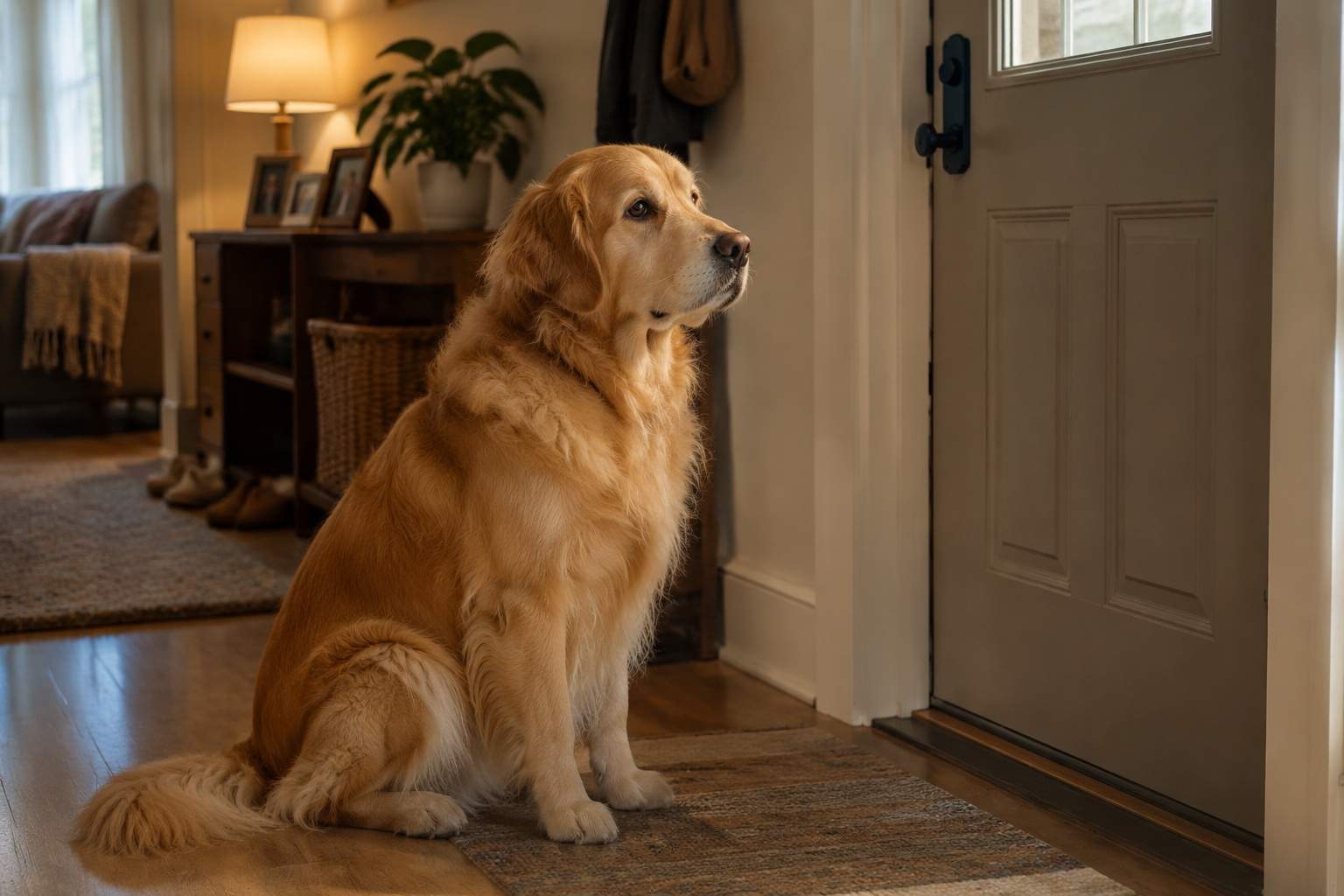
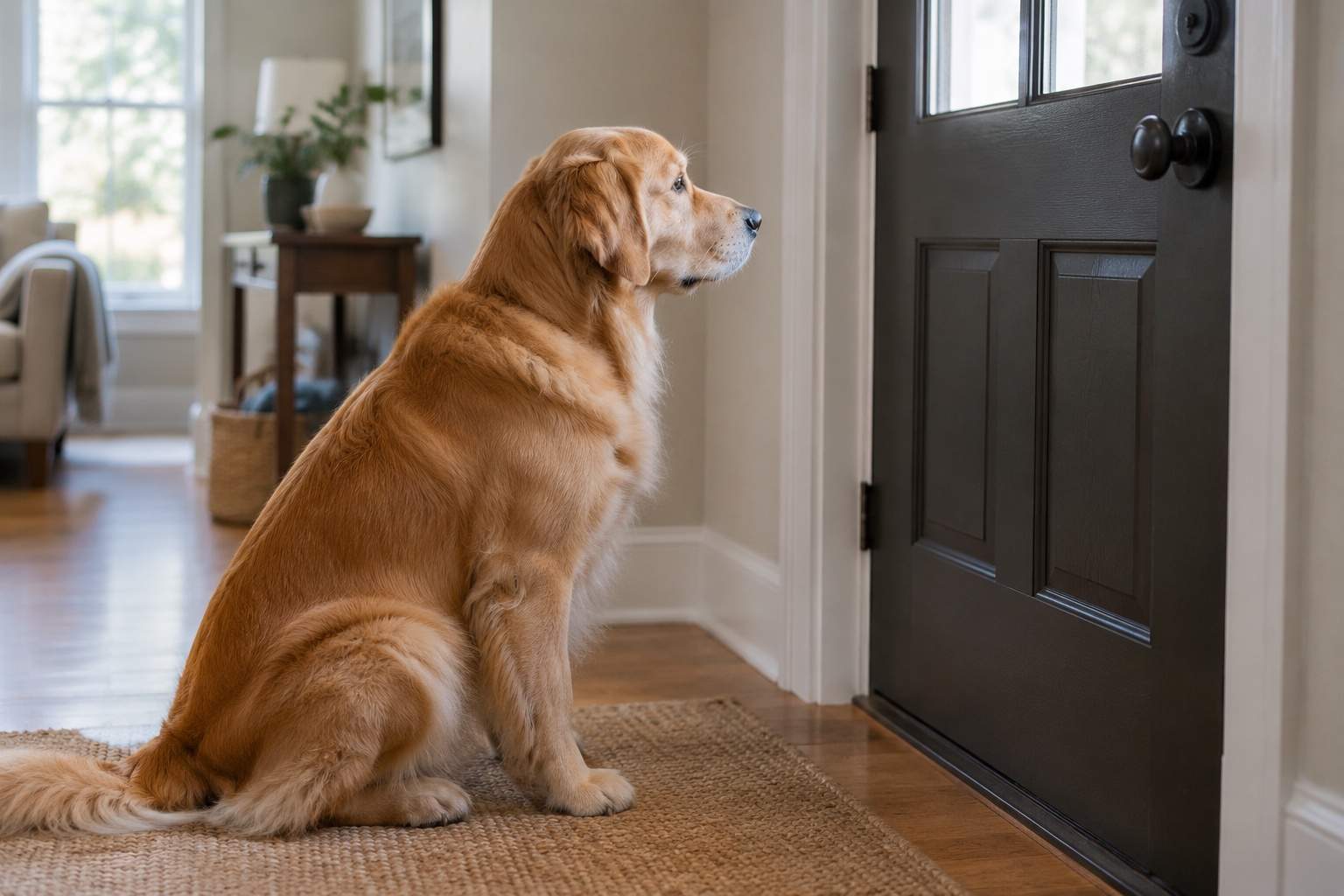
You find your once-bright senior dog standing motionless in a familiar corner, nose to the wall, or pausing mid-room with a vacant, lost look in his eyes. He seems disoriented in his own home. A knot forms in your stomach: is he just 'getting old' and a bit quirky, or is this a sign you should be worried about? You feel a pang of guilt, wondering if you're overlooking something serious. This agonizing uncertainty, the fear that you might be missing something vital, is a sentiment I’ve heard from countless loving guardians around the world. Please know, you are not alone in these feelings, and your concern is a profound testament to your bond.
It’s easy to dismiss these changes as simply ‘part of getting old,’ a phrase we often use to soften the inevitable march of time. However, as an international behavior consultant, I’ve learned that while aging is a natural process, some changes in our senior dogs are not merely quirks but quiet signals of something more profound: Canine Cognitive Dysfunction (CCD), often referred to as dog dementia. This isn't just about a bit of forgetfulness; it’s a progressive neurodegenerative condition, much like Alzheimer's in humans, that affects a dog's memory, learning, perception, and overall awareness. It challenges the conventional thought that all senior dog behaviors are benign, urging us to look closer.
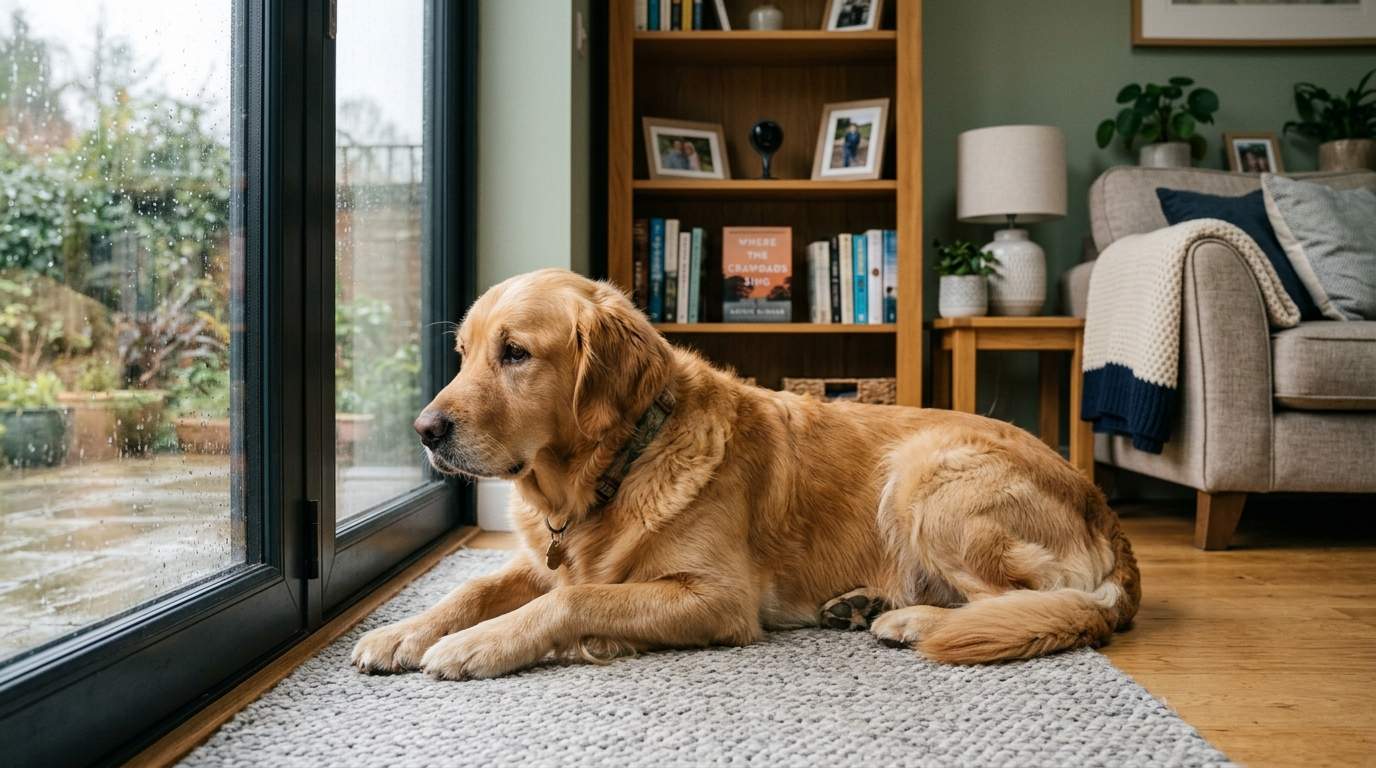
Consider dear Buddy, a Golden Retriever I worked with in the Swiss Alps. His guardian, Maria, described how Buddy, once the most attentive companion, would stand in the middle of their cozy living room, his tail limp, gazing blankly as if he’d forgotten where he was or what he was doing. On other occasions, Maria would find her beloved senior dog staring at the wall for minutes on end, a behavior that filled her with a quiet dread. These weren't just signs of an old dog confused; they were the earliest, most heartbreaking dog dementia symptoms unfolding before her eyes. Maria initially felt immense guilt, believing she was somehow failing Buddy, but her willingness to observe and seek understanding was the greatest gift she could give him.
These quiet signs of canine cognitive decline can manifest in many ways. You might notice your dog struggling to navigate familiar spaces, getting 'stuck' behind furniture, or having trouble finding the door to go outside. Their sleep-wake cycles might reverse, leading to restless nights and excessive daytime napping. You might observe changes in their social interactions – perhaps they no longer greet you with the same enthusiasm, or they seem more irritable or anxious. House-training accidents might start occurring again, not out of defiance, but because they simply forget where they are or what they need to do.
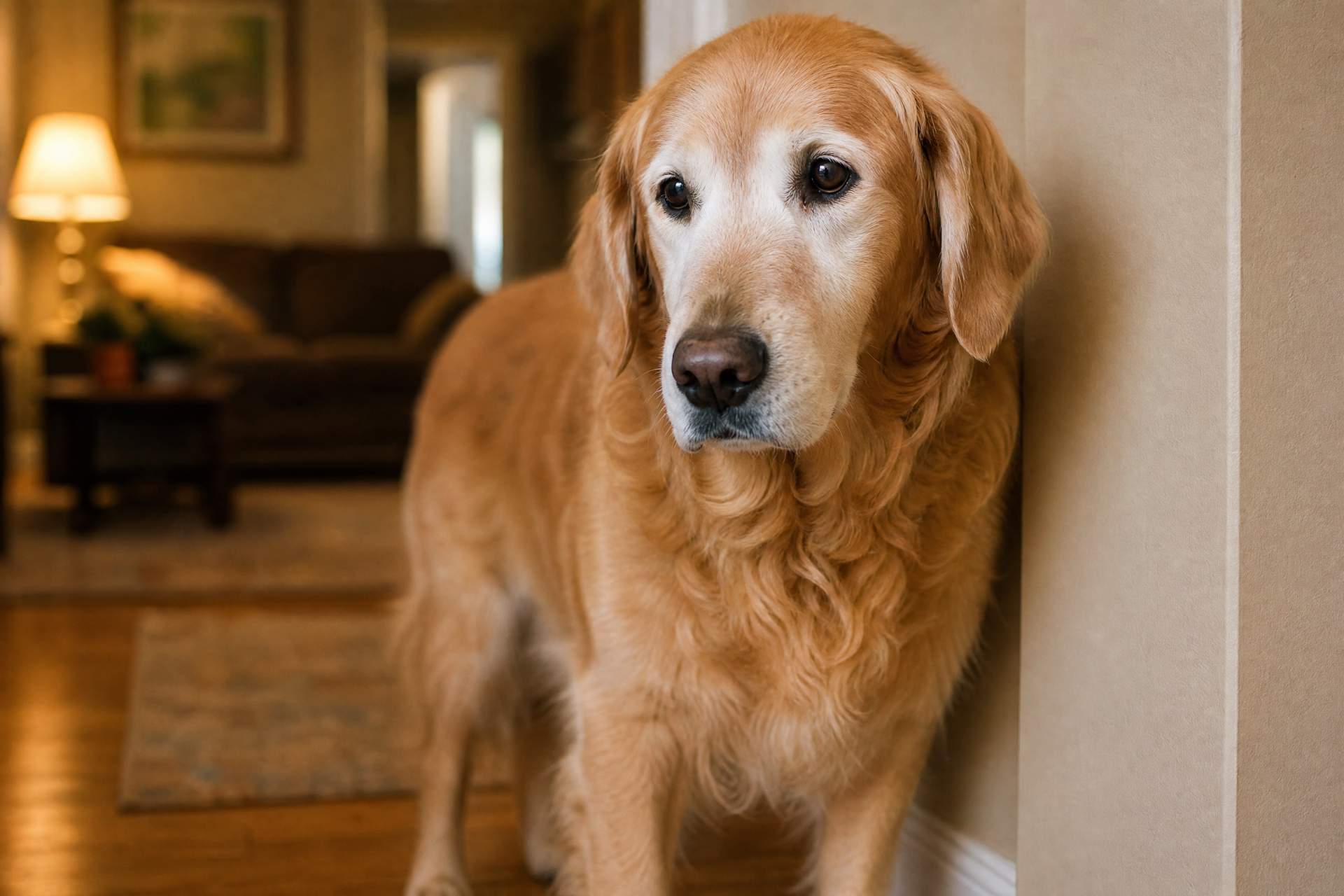
The good news, and this is a crucial viewpoint to embrace, is that early recognition and intervention can significantly enhance your senior dog's quality of life. This isn't a sentence, but a new chapter where you can provide comfort and support. The first step is always a visit to your veterinarian to rule out other medical conditions that might mimic CCD symptoms, such as pain, vision or hearing loss, or thyroid issues. Once other causes are excluded, a diagnosis of Canine Cognitive Dysfunction opens the door to supportive strategies.
Creating a predictable routine, keeping their environment stable and familiar, and ensuring safety with non-slip rugs can make a world of difference for a disoriented dog. Gentle mental stimulation, like puzzle feeders or short, familiar walks, can help keep their minds engaged without causing undue stress. Discussing brain-supporting supplements or prescription medications with your vet can also be a vital part of their care plan. Remember, your patience, understanding, and continued love are the most powerful tools you possess. You are not just managing symptoms; you are nurturing a precious soul through a challenging time.