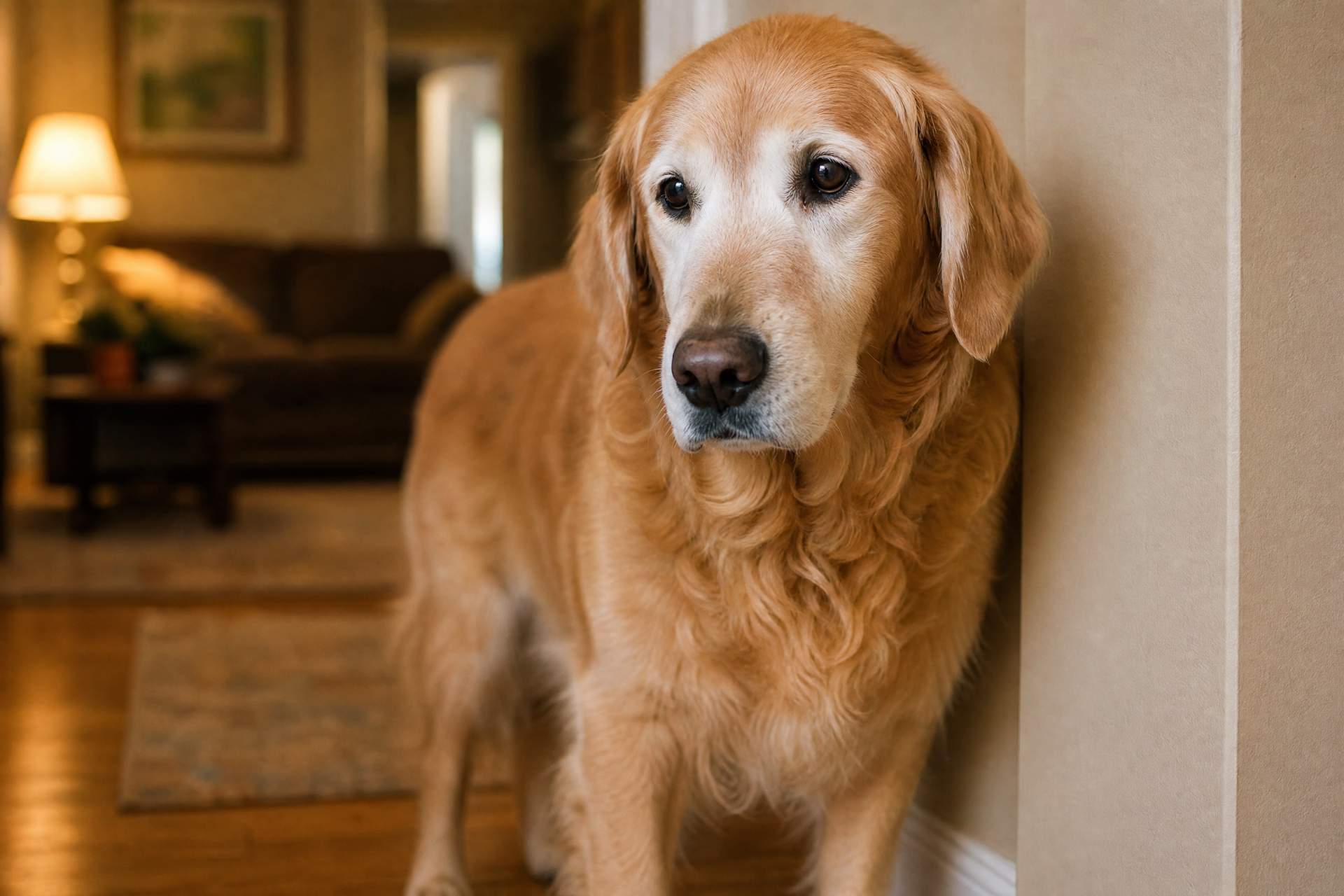
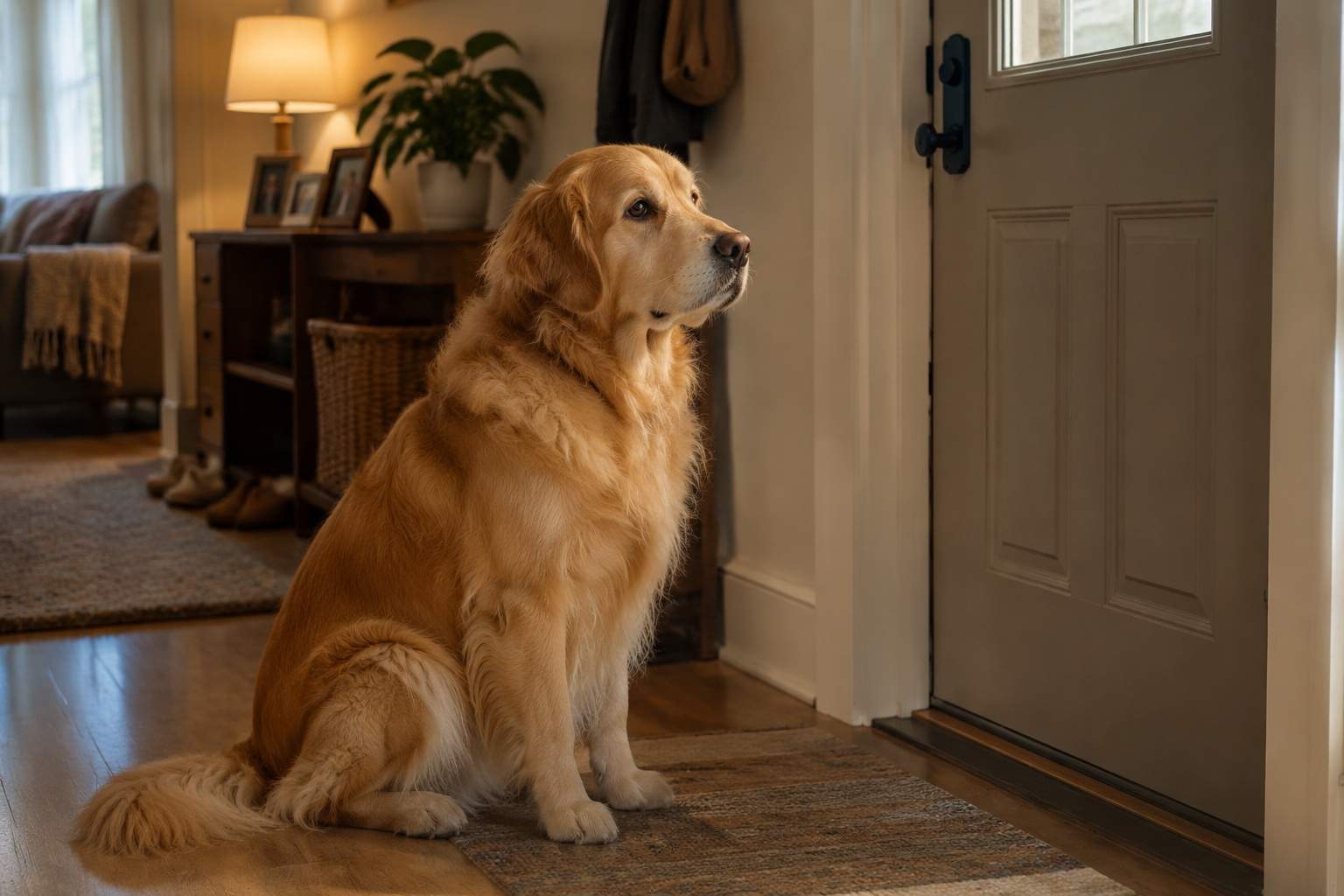
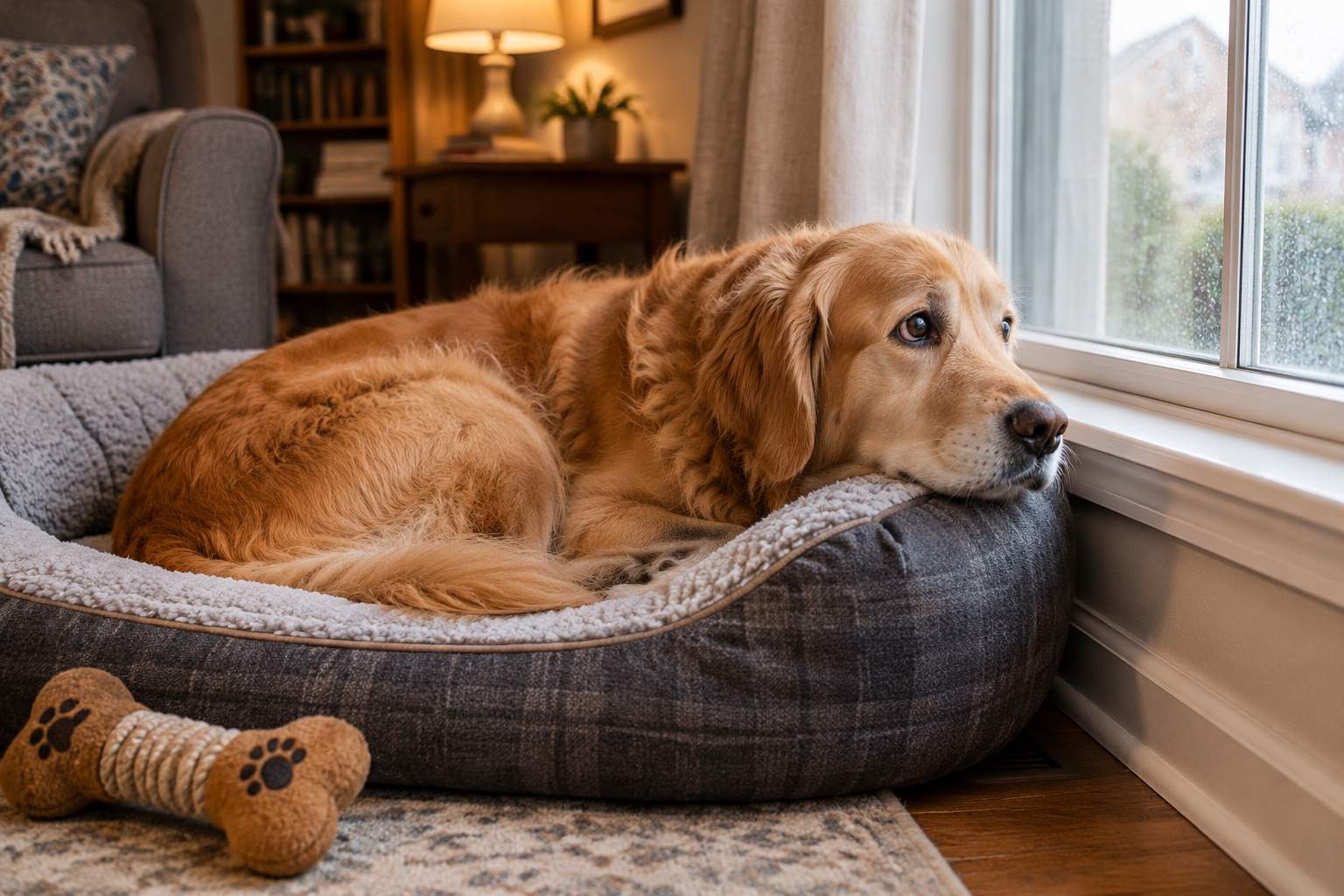
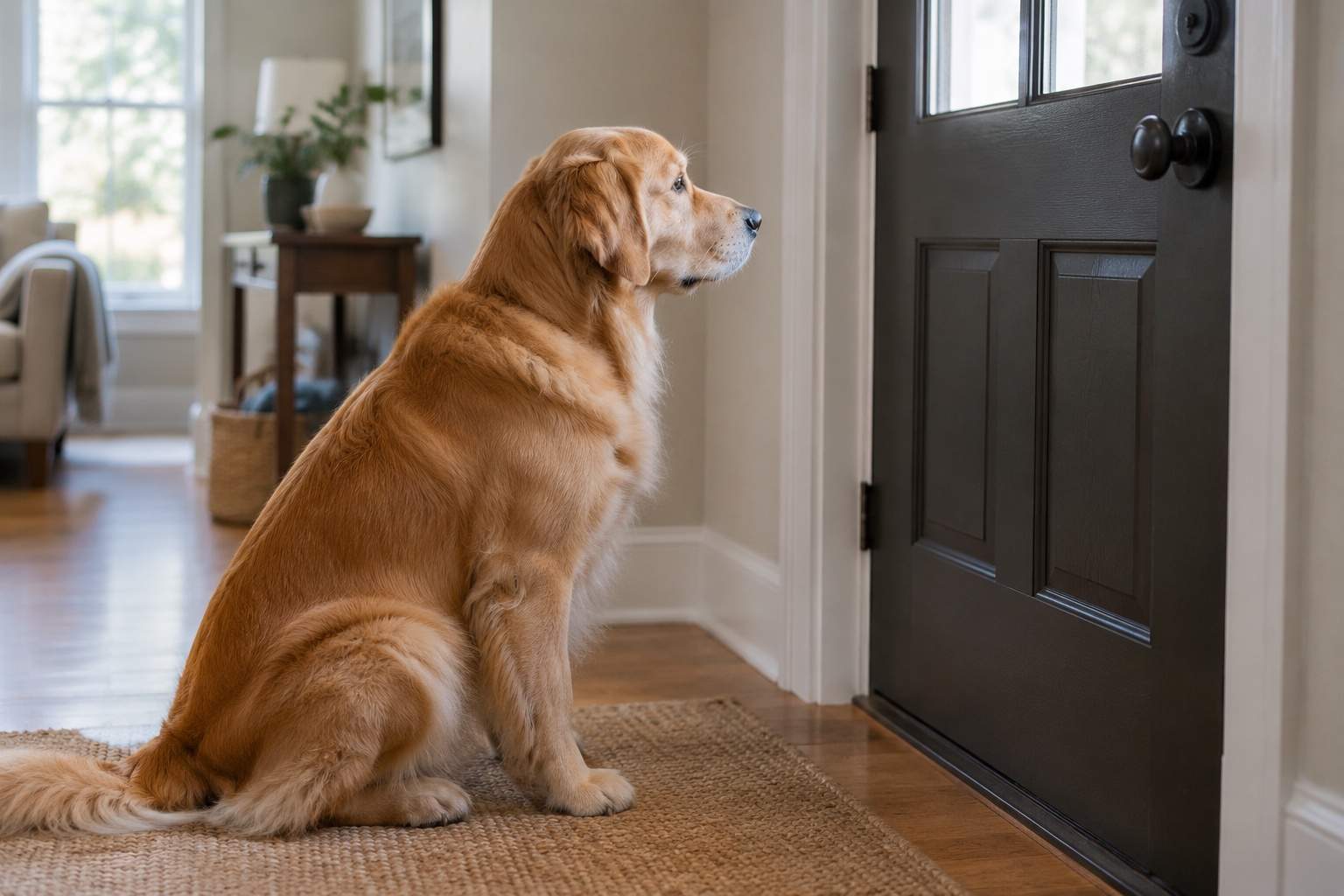
You step through your front door, a sigh of relief on your lips after a long day, only to be met by a scene that makes your heart sink. Your favorite slipper lies in shreds, a small puddle mars the entryway, and your beloved furry friend, usually bouncing with joy, slinks away, ears flattened, eyes averted. That familiar wave of frustration, disappointment, and a creeping guilt washes over you. "Oh, Fido," you might whisper, "you know you did something wrong." We’ve all seen that posture, the lowered head, the tucked tail, which we so often interpret as a clear sign of canine guilt. But what if that heartbreaking expression isn't an admission of misbehavior, but a desperate, silent plea?
As an experienced behavior consultant who has witnessed the incredible bond between humans and their animal companions across the globe, I can tell you that the look we perceive as dog guilty look is rarely about guilt in the human sense. Dogs, brilliant social creatures that they are, are masters at reading our emotions. When you return home and discover the shredded cushion or the unexpected "accident," your body language often changes. You might tense up, your voice might alter, your gaze might harden. Your dog perceives this shift in your demeanor, senses your distress, and responds with an appeasement gesture—that lowered head, the averted gaze—in an attempt to diffuse your perceived anger. They are not confessing to a past transgression; they are reacting to your present emotional state, trying to say, "Please don't be upset."
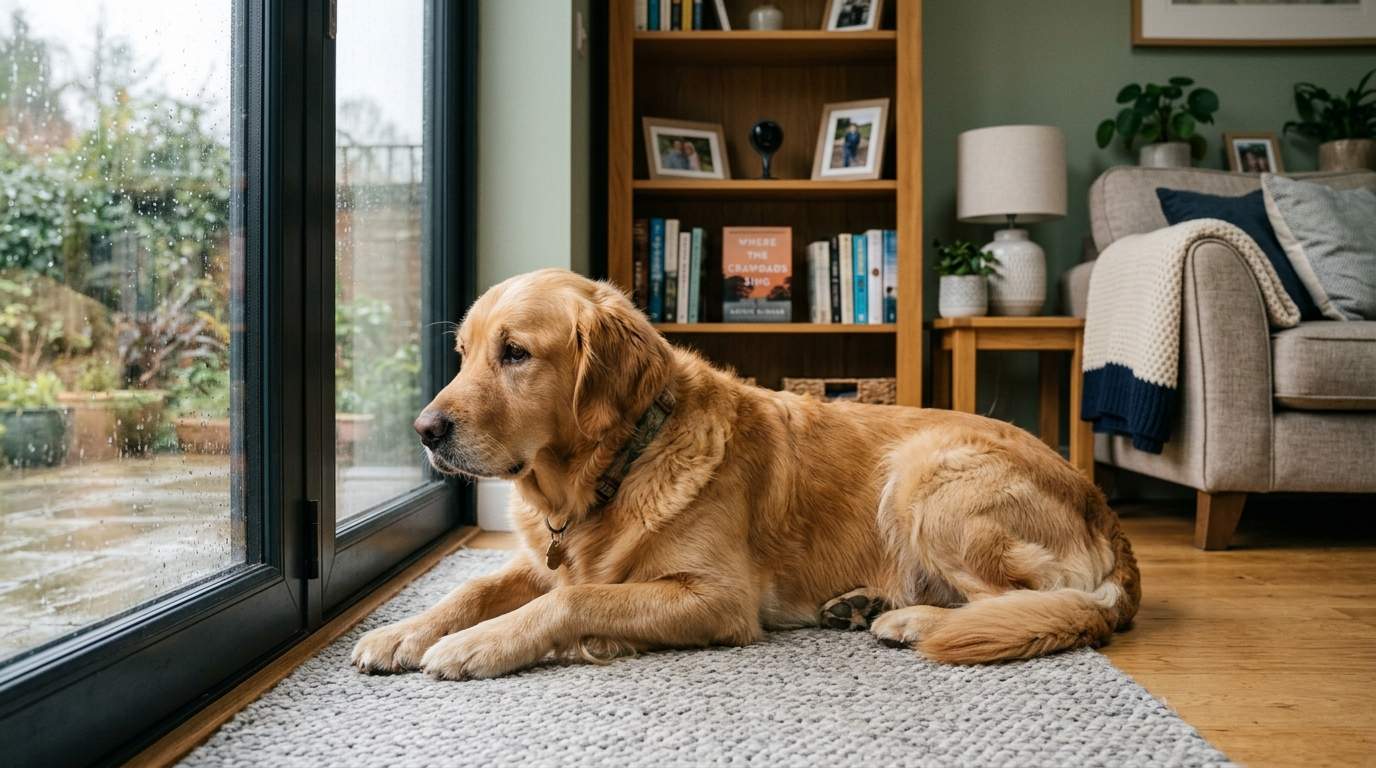
This misinterpretation becomes even more crucial when we talk about behavior like being dog destructive when alone. It's incredibly disheartening to come home to chaos, but this isn't an act of defiance or spite. Often, it's a profound manifestation of dog separation anxiety. Imagine being left in a place, utterly alone, with no understanding of when or if your loved ones will return. For a highly social species like dogs, this can trigger sheer panic. They might chew on furniture, doors, or their own paws, not out of malice, but as an attempt to self-soothe, to escape, or to alleviate overwhelming stress. They may bark incessantly, pace relentlessly, or even soil the house, despite being fully house-trained, because their bodies are flooded with anxiety hormones, making self-control impossible. This isn't naughtiness; it's a cry for help. It’s the silent suffering of a loving companion overwhelmed by fear and loneliness.
Understanding this difference is the first step in healing. Punishing a dog for these behaviors, whether it's for their appeasement gesture or for anxiety-driven destruction, is not only ineffective but deeply damaging. It teaches them to fear your return, further eroding their sense of security and trust. Instead, we can shift our perspective from seeing a "bad dog" to seeing a dog in distress. We have the power to transform their fear into confidence, and their panic into peace.

So, how do we begin the journey of calming dog when alone? It starts with creating a strong foundation of trust and security. Begin by gradually desensitizing your dog to your departures, starting with very short absences and slowly increasing the duration. Provide a safe, comfortable space for them, perhaps a cozy crate or a designated room, filled with comforting scents and familiar objects. Offer engaging distractions like a Durable Chew Toy stuffed with treats or an Interactive Puzzle Toy that requires mental effort to solve, diverting their attention from your absence. Some owners find a Calming Diffuser can help create a more serene environment. Most importantly, avoid making a big fuss when you leave or return; keep greetings and goodbyes calm and low-key. This helps to normalize your departures and arrivals, reducing the emotional peak associated with them. Remember, patience, consistency, and boundless love are your most powerful tools.
By learning to distinguish between a natural appeasement gesture and genuine culpability, and by recognizing that destructive behaviors are often born from deep emotional distress, we can move beyond frustration. We can instead offer our cherished companions the understanding, comfort, and practical support they so desperately need. Your dog isn't trying to break your heart; they're simply asking for yours to heal theirs.