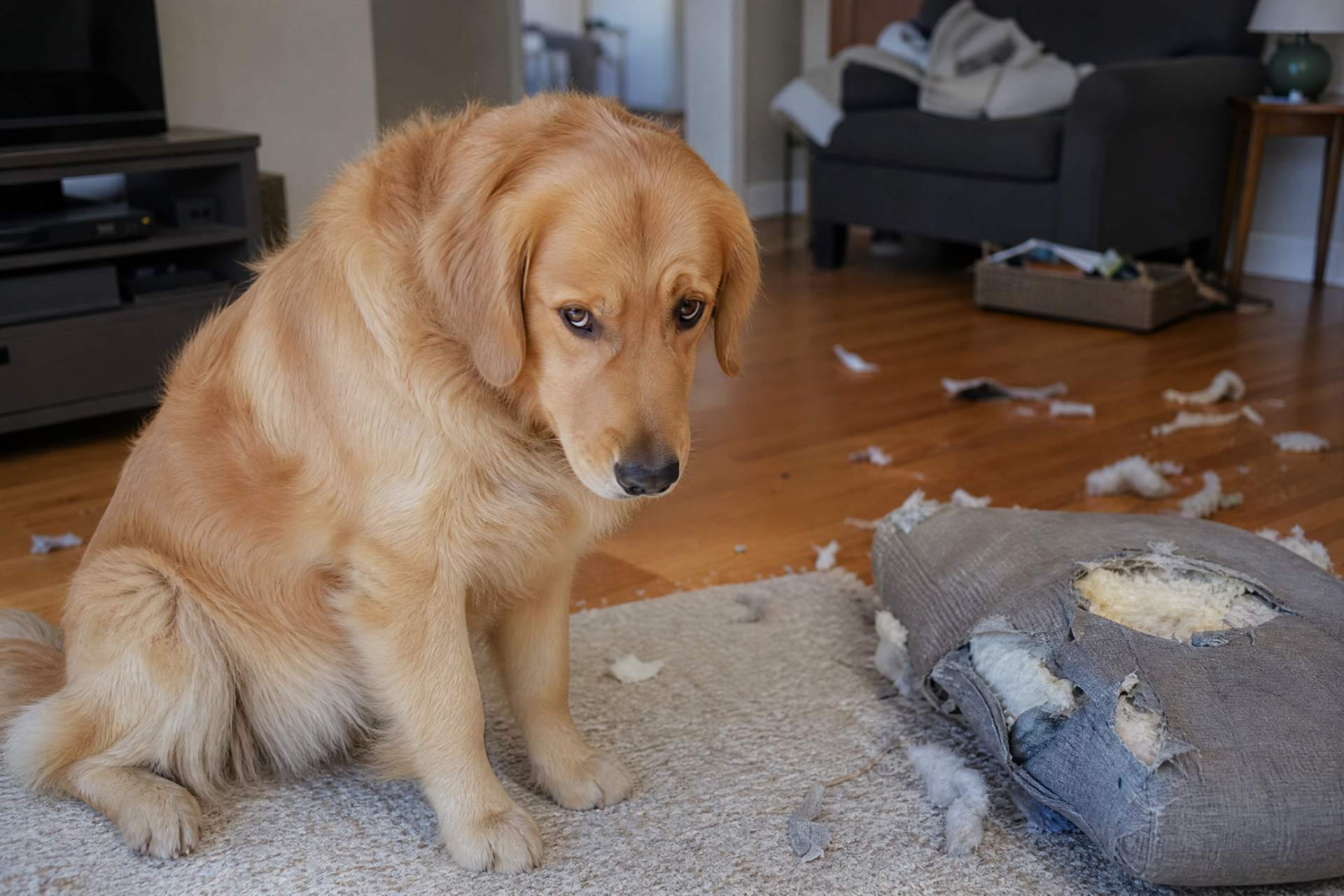
You kick off your shoes, ready to unwind after a long day, perhaps picturing a soft purr and a gentle head-nuzzle. Instead, your nose twitches at the faint, unmistakable scent of a "present" just outside the litter box, or your eyes land on a fresh, defiant tear in the armchair you just reupholstered. Your beloved feline might be nowhere in sight, or perhaps they’re watching you from a distance, an unreadable gaze that feels suspiciously like judgment. The thought inevitably whispers: "Is my cat mad at me? Are they punishing me for being gone?" This gnawing guilt, this confusion, can make you question everything – their love, your bond, even your adequacy as a pet parent.
We often hold this notion that cats are the epitome of cool independence, too self-sufficient to truly miss us, too aloof to feel the pangs of loneliness. And when confronted with these "unacceptable" behaviors – the unexpected urine puddle, the shredded curtain, the sudden aloofness when you walk through the door – we might interpret them as defiance, spite, or even revenge. But what if this isn't your cat acting out of anger? What if these actions, which feel so hurtful to us, are actually desperate, often misinterpreted cries for help? What if they are the silent language of a feline struggling with stress, anxiety, or profound loneliness while you were away?
My dear pet parents, please know this: your cat is not trying to punish you. They are not "mad." They are communicating. The love between you and your cat is profound, even if it sometimes feels like a complicated dance. Understanding these subtle cues is the first step towards healing not only their anxieties but also your own heart. When a cat is left alone for extended periods, they can indeed experience cat separation anxiety symptoms, which manifest in various ways beyond the typical dog behaviors we often recognize.
Imagine little Oscar, a typically calm ginger tabby, who spends his days watching the clock. When you leave, the quiet house becomes a vast, overwhelming space. The subtle shifts in light, the absence of your familiar scent and sounds, all contribute to a growing sense of unease. He might start to cat scratch furniture when alone not because he wants to ruin your sofa, but because the physical act of shredding provides a release for his pent-up energy and stress. Or perhaps he struggles with cat separation anxiety symptoms, feeling truly alone and vulnerable. The cat peeing outside litter box isn't an act of defiance; it's a desperate attempt to communicate his distress, perhaps due to a sudden aversion to his box (now associated with your departure) or simply a physical manifestation of anxiety.
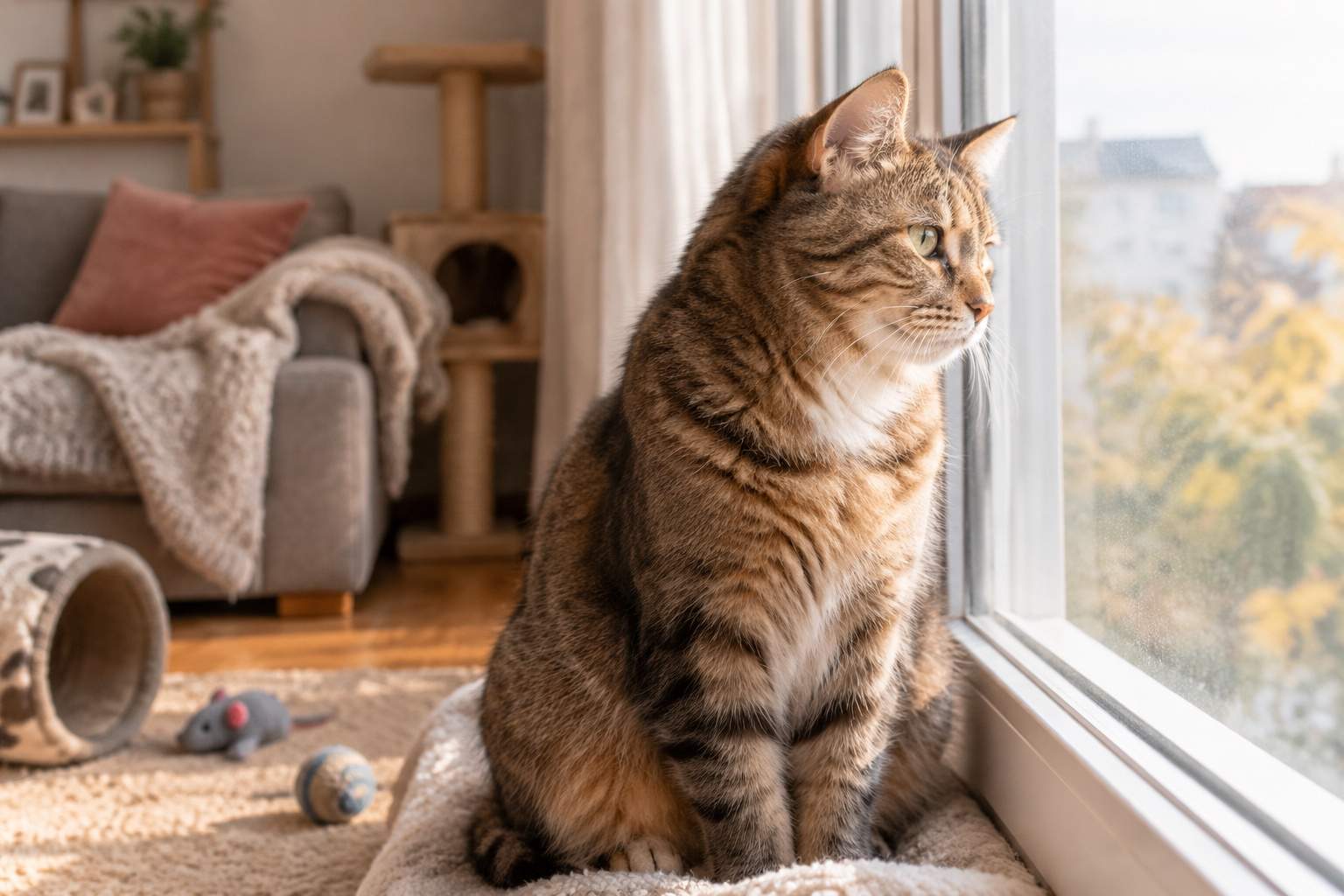
You might wonder why does my cat ignore me after work or why you're not getting a purring welcome – cat not greeting me. Sometimes, this aloofness is actually a sign of stress in cats alone, their way of processing the overwhelming emotions of your return after a period of isolation. They might need a moment to re-regulate, to feel safe again in the presence of their beloved human. This is not a slight; it's a sensitive reaction. How to tell if cat is lonely often comes down to these subtle shifts in behavior, from increased vocalization to destructive tendencies.
The good news is that there are many compassionate cat destructive behavior solution strategies we can employ to ease their minds and strengthen your bond. First, a veterinary check-up is always crucial to rule out any underlying medical causes for cat peeing outside litter box or sudden behavior changes. Once physical health is confirmed, we can focus on environmental and emotional enrichment.
Consider making your home a more stimulating and secure haven for your feline friend. An interactive puzzle feeder can provide mental engagement and a sense of purpose while you’re gone. Investing in a durable scratching post in prime locations offers an appropriate outlet for natural feline instincts and stress release. A cat pheromone diffuser can create a calming atmosphere, subtly reassuring your cat during your absence. Creating vertical spaces like cat trees or shelves, and ensuring consistent routines for feeding and playtime, can also provide comfort and predictability. When you return home, try to keep greetings calm and gentle, allowing your cat to approach you on their terms if they initially seem to act out when left alone or appear overwhelmed.
This journey of understanding our furbabies is one of patience and profound empathy. When you next walk through the door and find a mystery waiting, pause. Look beyond the perceived "cold shoulder" or the "shredded sofa." See it as an invitation to connect, to provide comfort, and to reinforce the deep, unspoken bond you share. Your cat isn't asking for punishment; they're asking for understanding. And by offering that, you’re not just a pet owner; you’re a healer, building a haven of security and love, one gentle, informed step at a time.