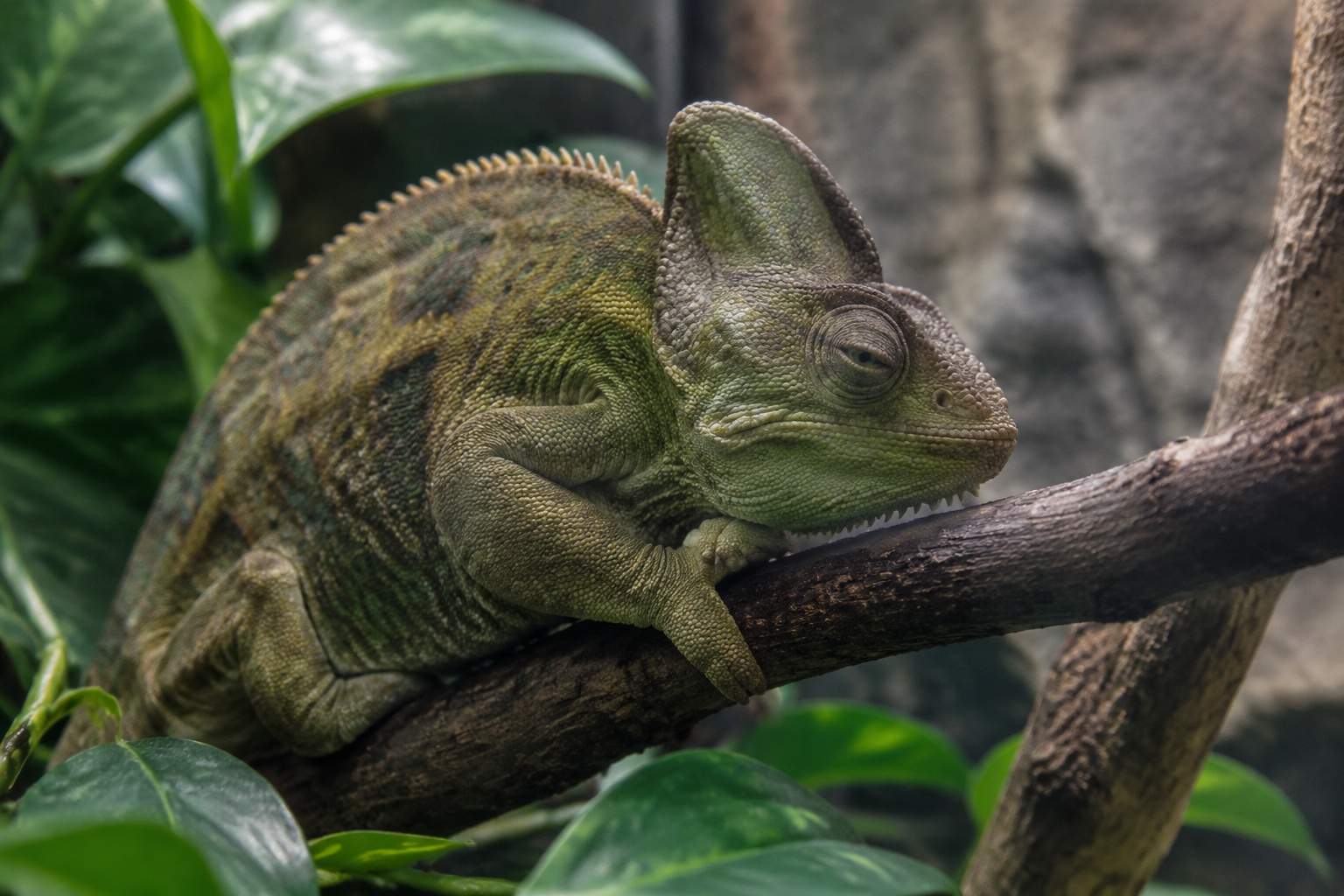
You gaze at your veiled chameleon, perched motionless on a branch, its once vibrant greens now dulled or streaked with an unsettling brown, its eyes half-closed. It hasn't touched its crickets in two days. A wave of confusion, then guilt, washes over you: "Is it merely relaxing? Is it sick? Am I doing something terribly wrong with its lighting or humidity? Why isn't it moving like the energetic chameleons I see online?" You feel a pang of helplessness, knowing you can't ask and it can't tell you. That profound uncertainty about your unique companion's well-being, the gnawing fear of inadvertently causing silent suffering, is a heavy burden, and it’s one many devoted exotic pet owners carry.
We often marvel at a chameleon's incredible ability to sit perfectly still or change its hue, believing it's a sign of a calm, perfectly adapted creature blending seamlessly into its world. What if, for many captive chameleons, these very behaviors—their prolonged stillness, their muted or erratic color shifts—aren't signs of contentment or camouflage mastery? What if they are, in fact, a complex, desperate language of extreme stress, chronic discomfort, or profound fear, demanding far more nuanced understanding from us than commonly believed? This is where our perception often falls short, misinterpreting their survival instincts for tranquility.
Imagine for a moment being Leaf, a veiled chameleon in a world designed by giants. When you feel a chill creep into your bones, or your body aches with hunger, you don't cry out. Your ancient instincts tell you that showing weakness is a death sentence in the wild. Instead, you conserve every ounce of energy. You pull your colors in, hoping to appear less noticeable, less vulnerable. Your bright, defiant greens might turn to a dull olive or even a dark, mottled brown—these are crucial chameleon stress signs. When a chameleon is displaying chameleon lethargy or is a veiled chameleon not eating, it's not simply "relaxing"; it's often a creature using its last reserves to survive.
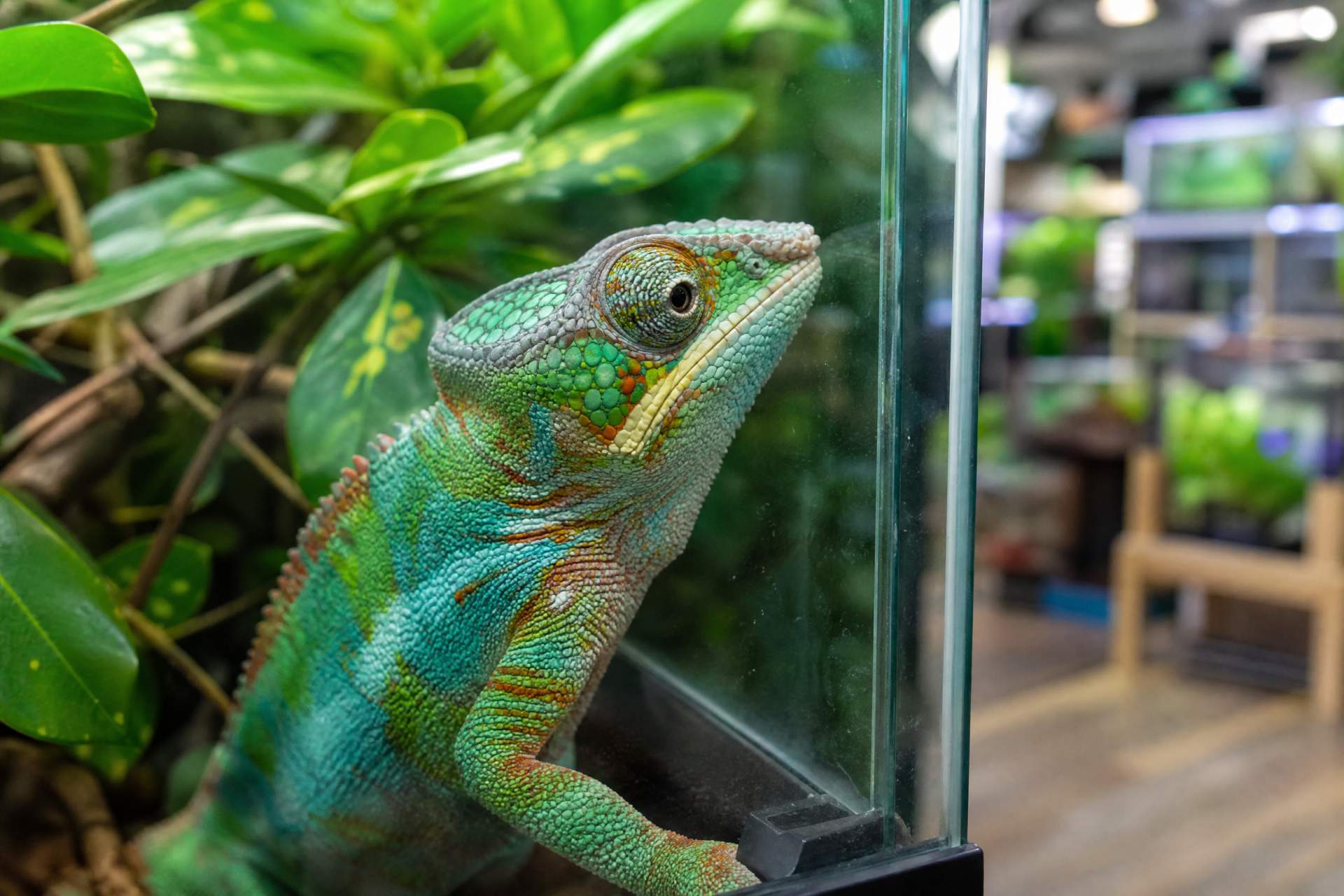
Understanding chameleon color meanings is like learning a secret language. A dark, blackish hue can be a clear indicator of discomfort, anger, or feeling overwhelmed. Pale, washed-out colors might signal fear or dehydration. The famous vibrant display is usually for communication, courtship, or territorial defense—not a default state. So, when your chameleon’s colors are constantly muted, it’s a quiet alarm that often signals a chameleon hidden illness or consistent environmental stressors.
It’s easy to make chameleon care mistakes because their needs are so specific and different from other pets. The air might be too dry, causing respiratory issues. The UVB light might be old or incorrect, leading to metabolic bone disease. The temperature gradient could be off, preventing proper digestion. These small misalignments, though seemingly minor to us, accumulate into chronic stress for your chameleon, impacting their exotic reptile health. They cannot tell us directly, so their physical state becomes their only voice.
My dear chameleon keepers, please do not blame yourselves for past misinterpretations. These creatures are masters of disguise, even with their suffering. Instead, see this as an invitation to deepen your connection, to become a more astute observer. By providing the precise veiled chameleon care they need—the correct UVB, humidity, temperature, and diet—you move beyond merely housing a pet to truly understanding and healing it. Every dull hue that brightens, every cricket finally consumed, every subtle shift towards vibrancy is a testament to your growing wisdom and gentle care. Your chameleon isn't just surviving; with your understanding, it can truly thrive, its colors speaking volumes of its contentment, not its silent plea.