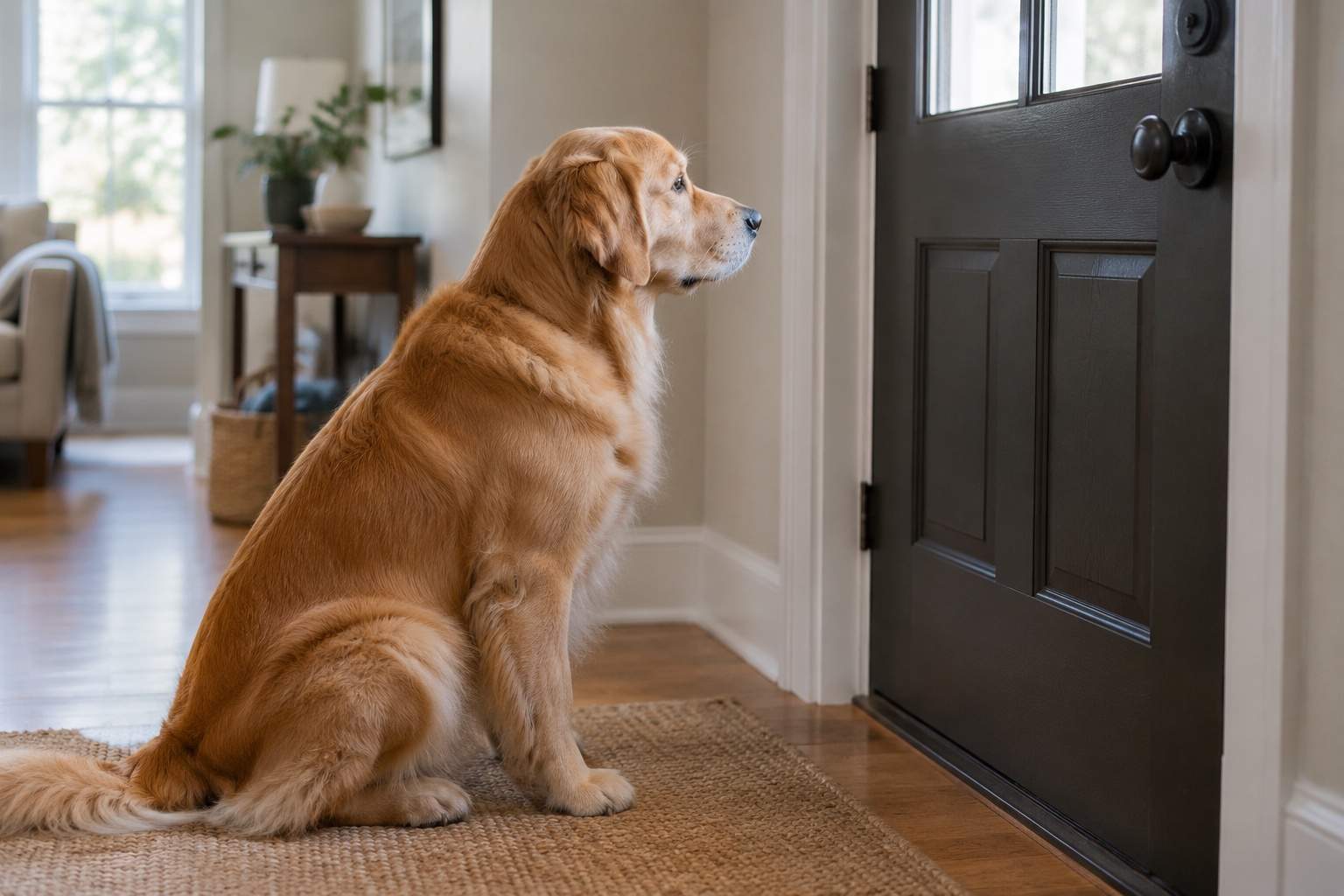
You close the door, and the click echoes a little too loudly in the sudden quiet of your home. You’re halfway down the driveway when you hear it – a faint, mournful whine that tugs at your heartstrings. Or perhaps you return hours later to find a chewed-up slipper, a tell-tale puddle, or scratch marks near the door, and your stomach drops. A wave of guilt washes over you, mingling with confusion and a touch of frustration. "Are they angry with me? Do they truly suffer this much when I’m gone? Am I failing them?" This heavy knot of emotion is something I’ve heard from countless pet parents around the world, and it’s a feeling I understand deeply.
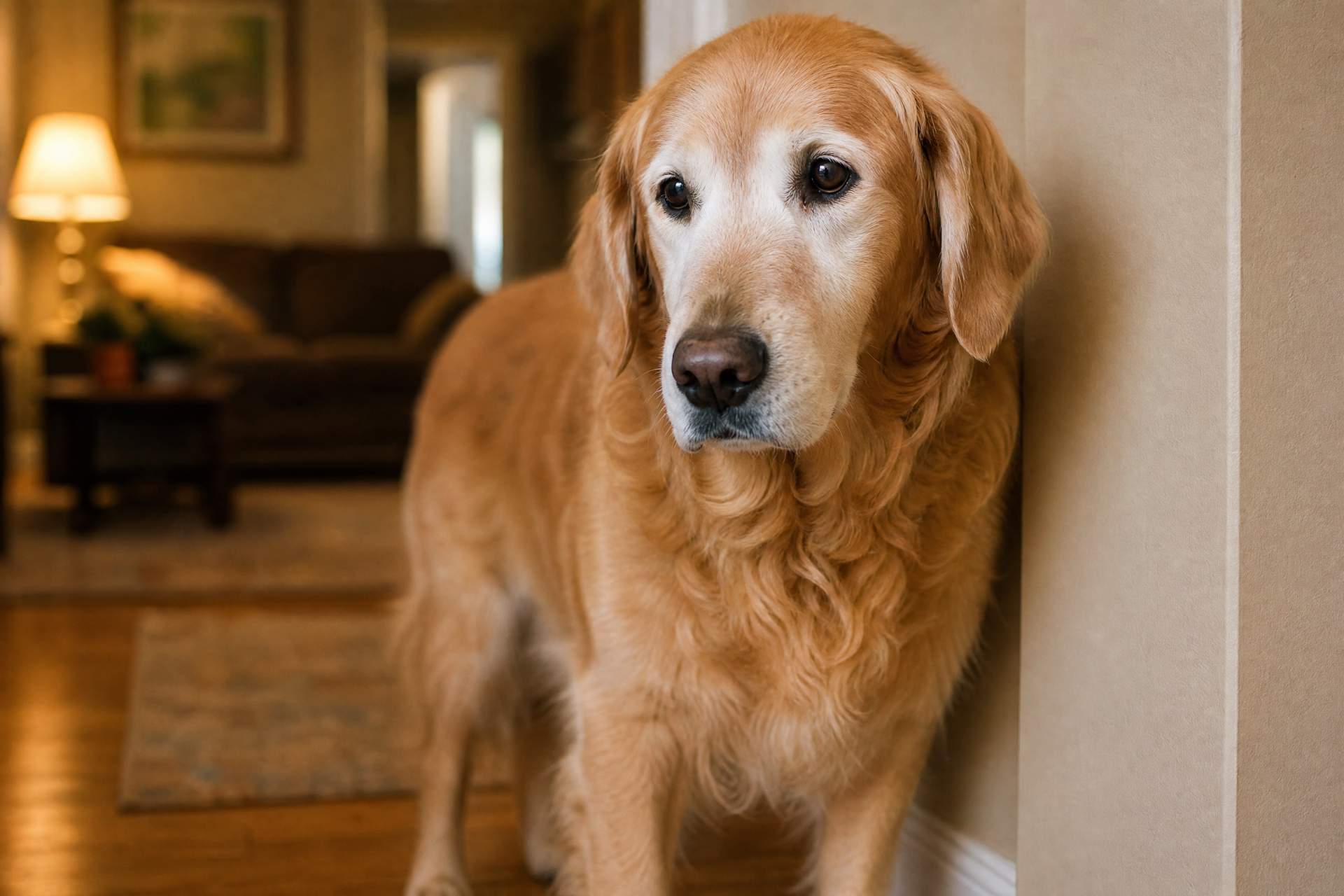
It’s easy to look at a shredded cushion or listen to incessant barking and think our dogs are being defiant, naughty, or even spiteful. But what if we paused for a moment and considered a different perspective? Your dog's destructive chewing or constant vocalizing when they are left alone isn't an act of rebellion; it's often a profound cry for help, a desperate signal of distress. For many dogs, being left alone can trigger a panic response akin to what a human might experience during an anxiety attack. They aren't trying to upset you; they are genuinely scared and trying to cope with an overwhelming feeling of abandonment, wondering if you will ever return. This isn't naughtiness; it's fear.
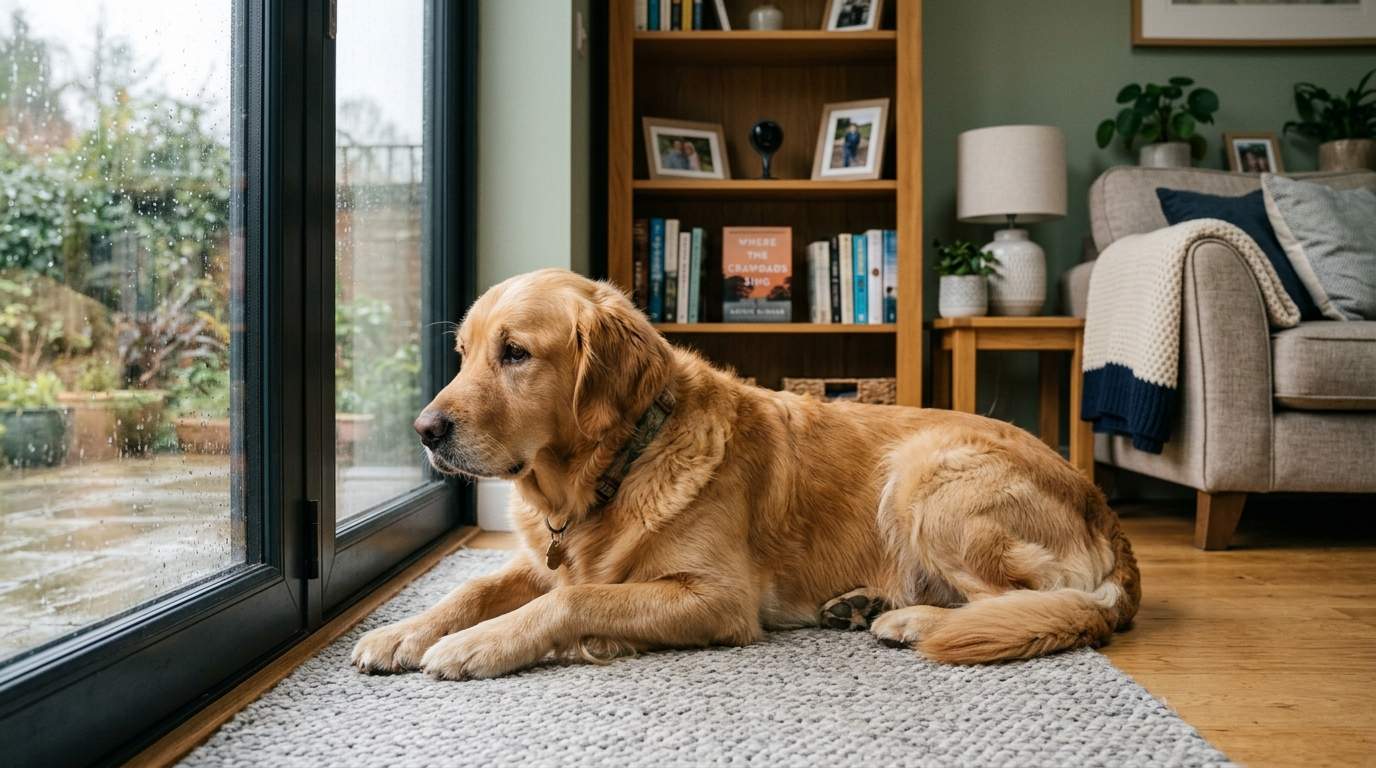
Think of it from their point of view. For a dog like Luna, a spirited young Border Collie I once worked with, every time her guardian left, it felt like the world was ending. Luna didn't understand schedules or errands. All she knew was that her most important person, her source of safety and comfort, had vanished. Her barking wasn't to annoy the neighbors; it was a frantic attempt to call her guardian back. Her attempts to chew through the door frame weren't about redecorating; they were about trying to escape the terrifying silence and find her lost human. When a dog whines alone, or becomes dog destructive when left, it’s often their primal instinct kicking in – a desperate attempt to reunite with their pack. Understanding why is my dog anxious when I leave is the first step toward healing.
Many of us unknowingly expect our dogs to inherently understand and accept solitude, perhaps because we, as humans, value our independence. But for a highly social species like dogs, especially puppies experiencing puppy distress signs for the first time away from their littermates, being alone is a learned skill, not an innate one. They don't just "get over it." Helping dog cope alone requires empathy and intentional guidance. It’s about teaching them that your departure isn't permanent, and that their world won't crumble when you step out. This takes patience, understanding, and often, a gentle shift in how we approach their alone time.
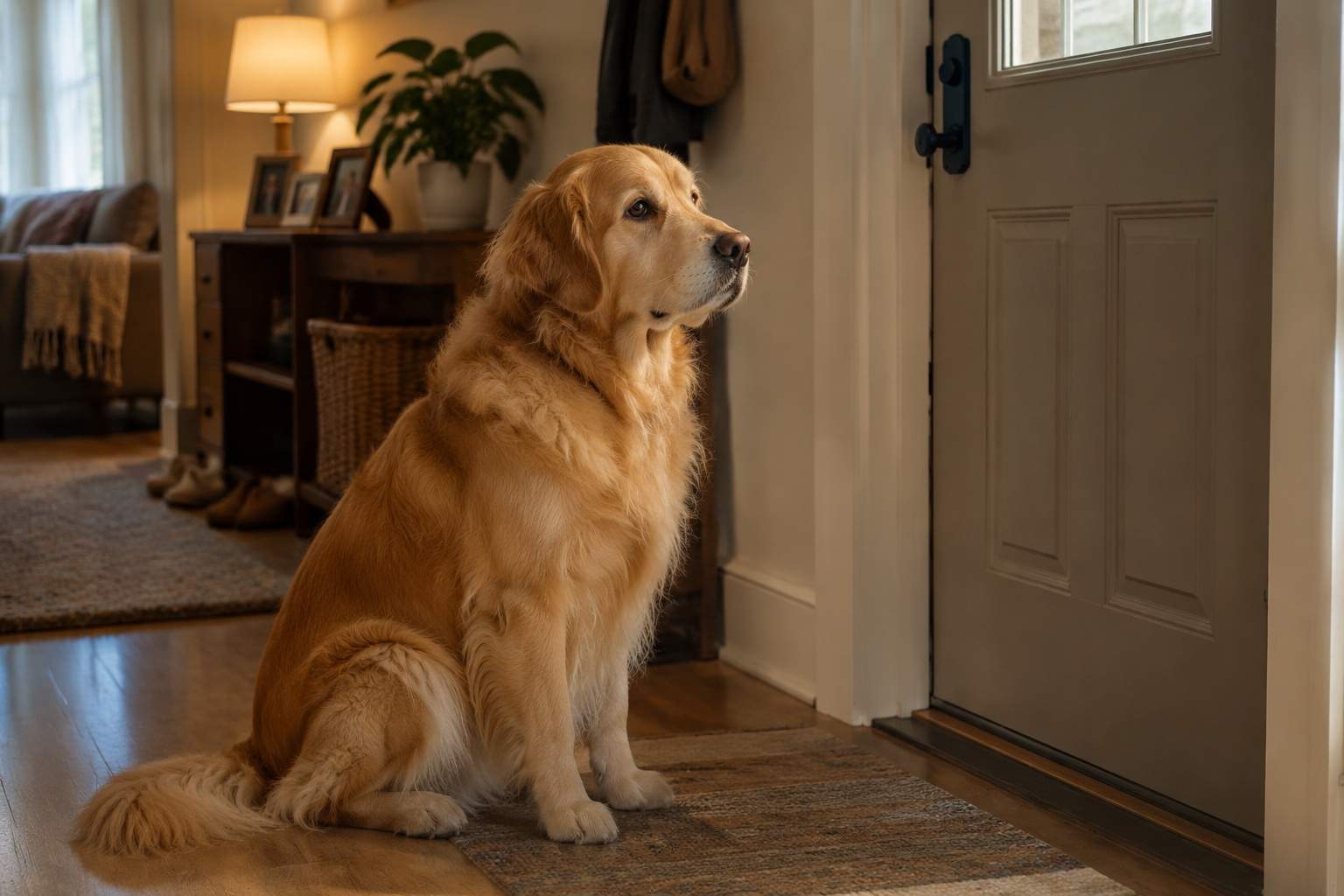
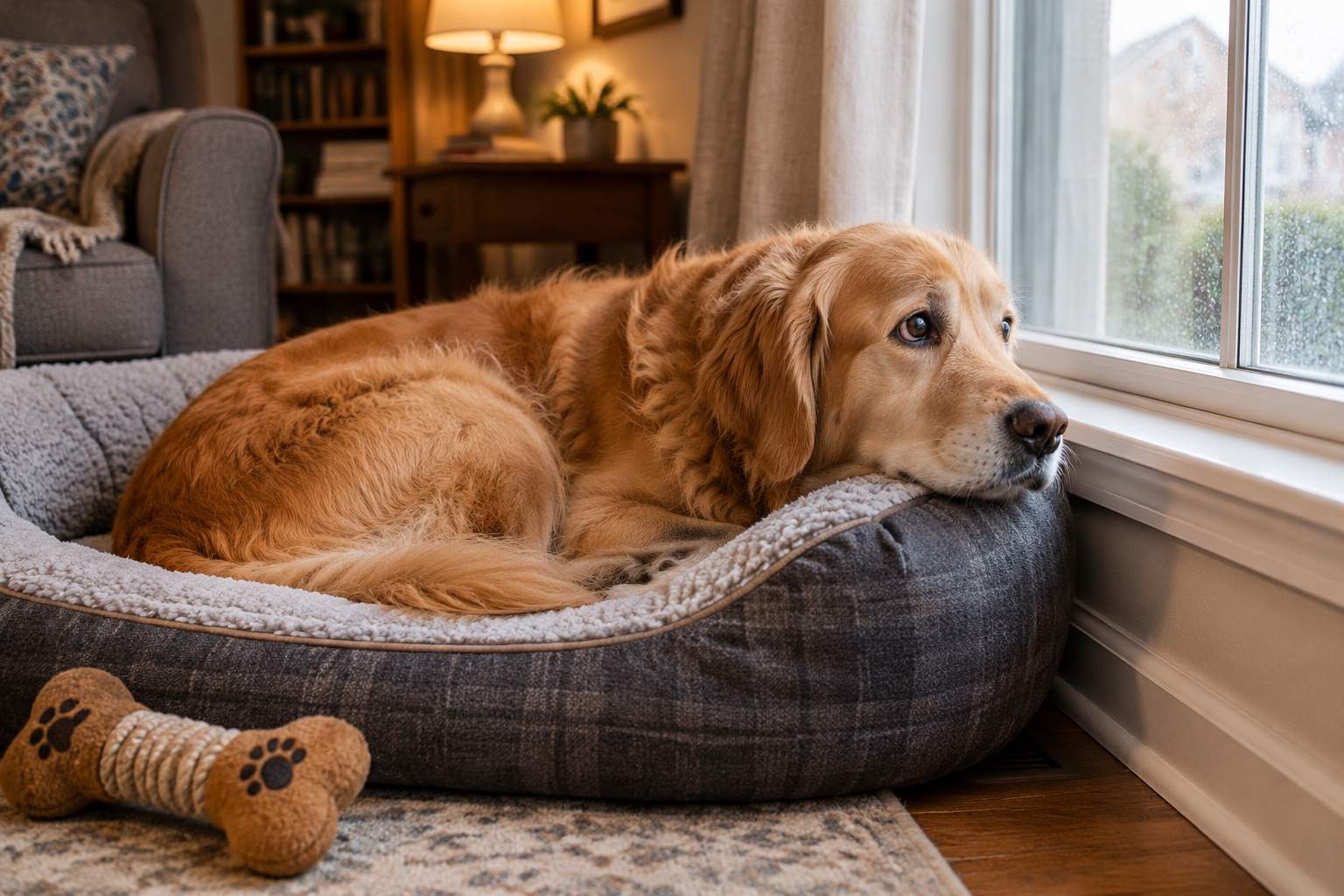
So, how do we begin to comfort dog alone? Start small. Practice short departures, even just stepping out for a minute or two, then returning before any anxiety escalates. Create a positive association with your leaving by providing a special, high-value chew toy or an interactive puzzle feeder that only appears when you walk out the door. A cozy, orthopedic calming dog bed in a safe space can offer a sense of security. Consider a comforting pheromone diffuser to create a more tranquil atmosphere. Remember, the goal isn't to punish the behavior, but to alleviate the underlying fear. If your dog misses owner intensely, these small, consistent steps can make a world of difference, slowly building their confidence and trust that you always come back. You are not alone in this journey, and neither is your dog. With gentle understanding and practical strategies, you can transform their anxiety into quiet contentment.