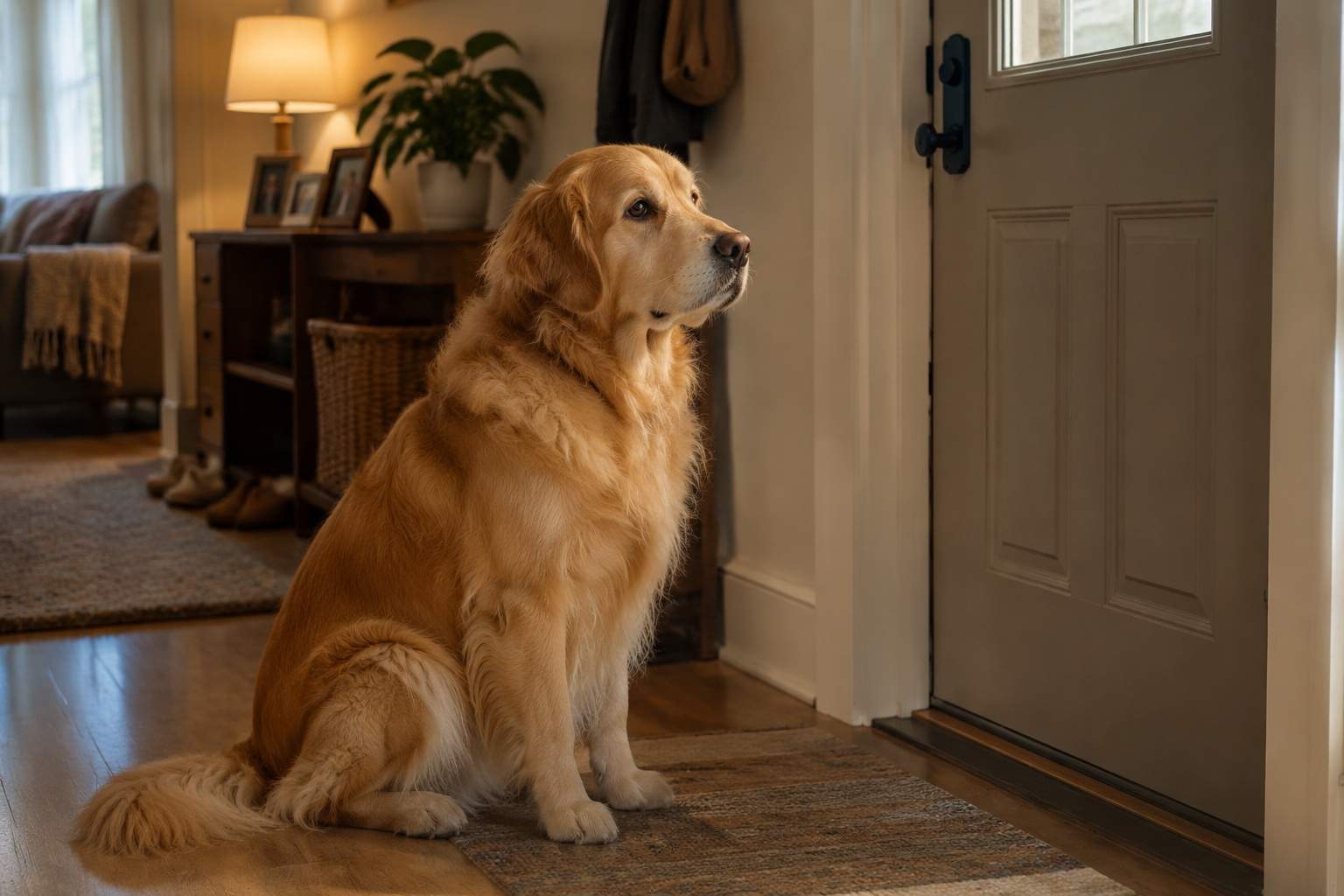
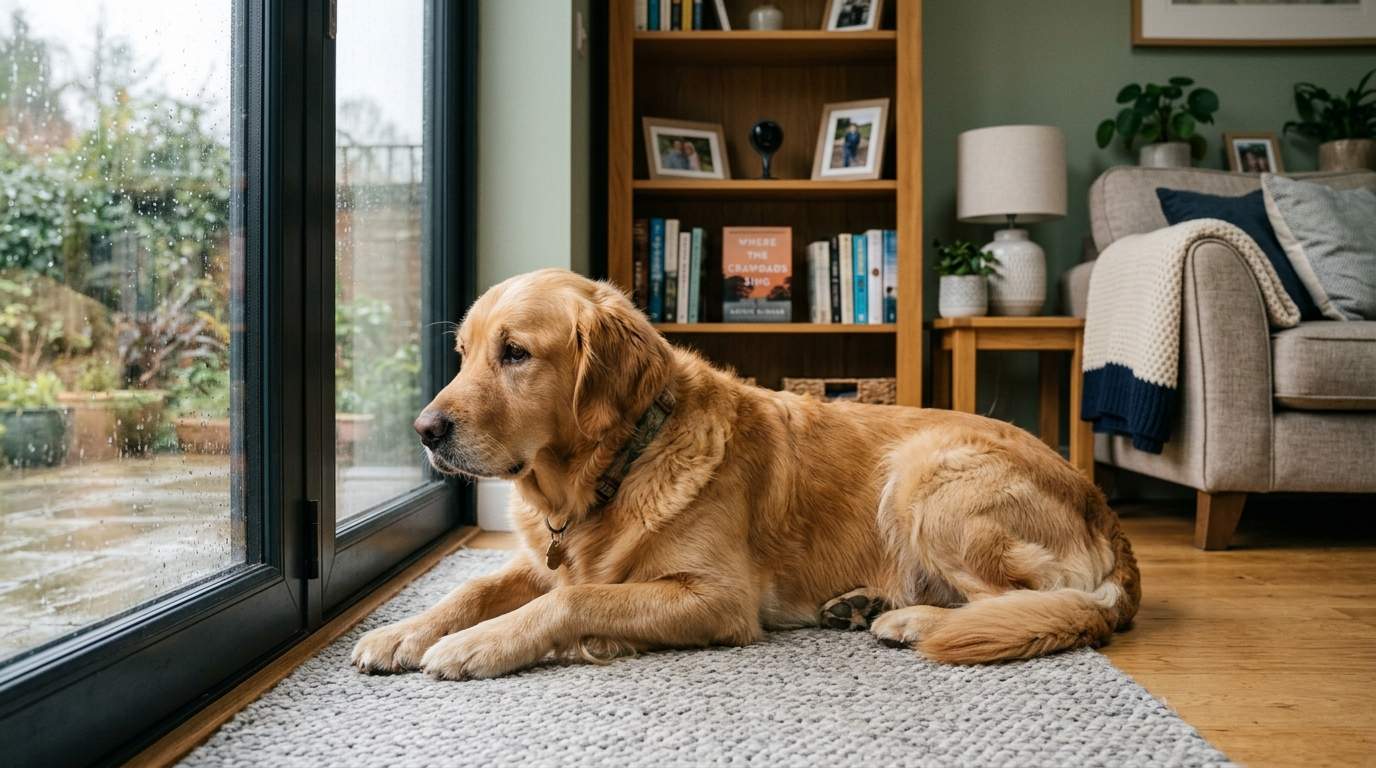
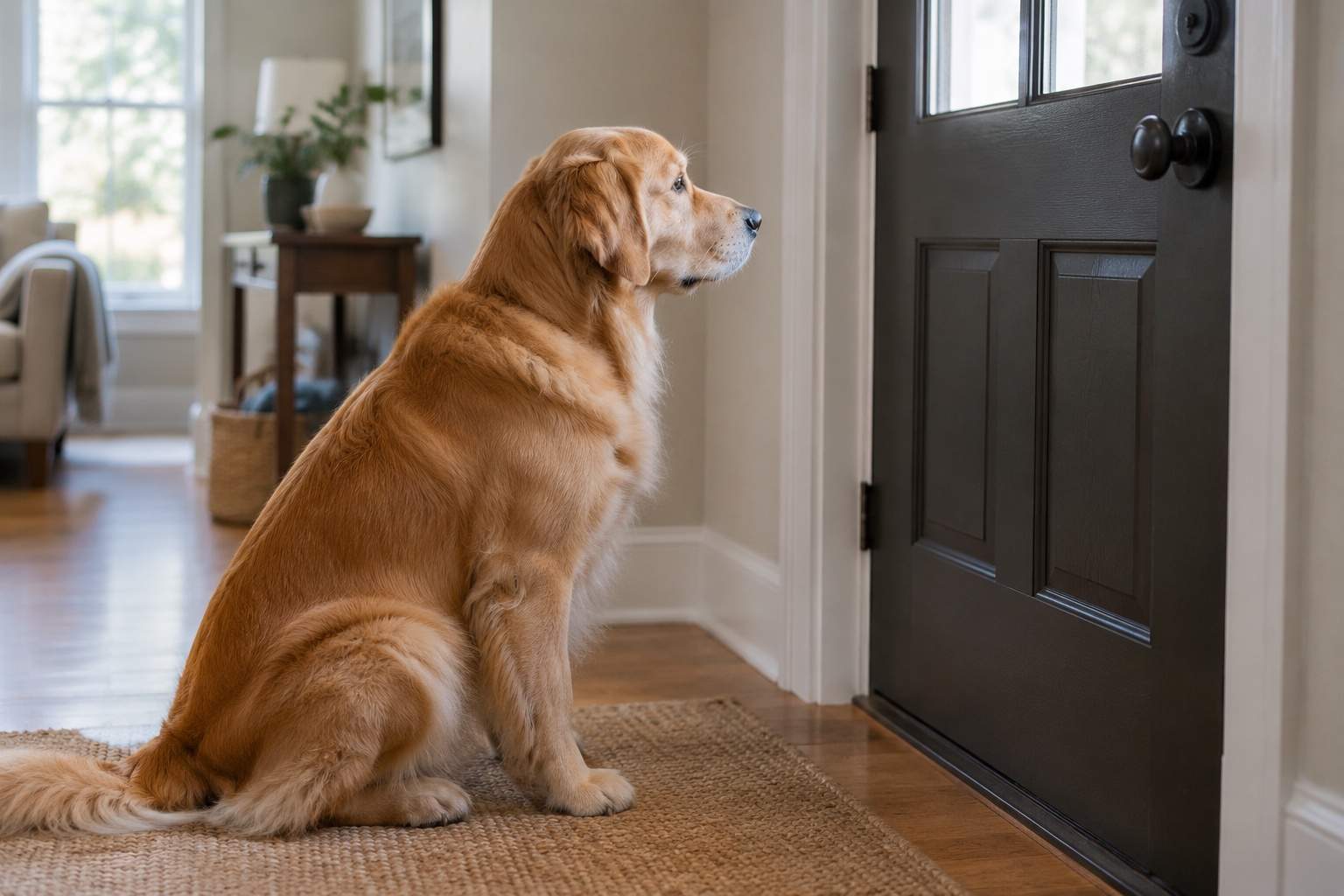
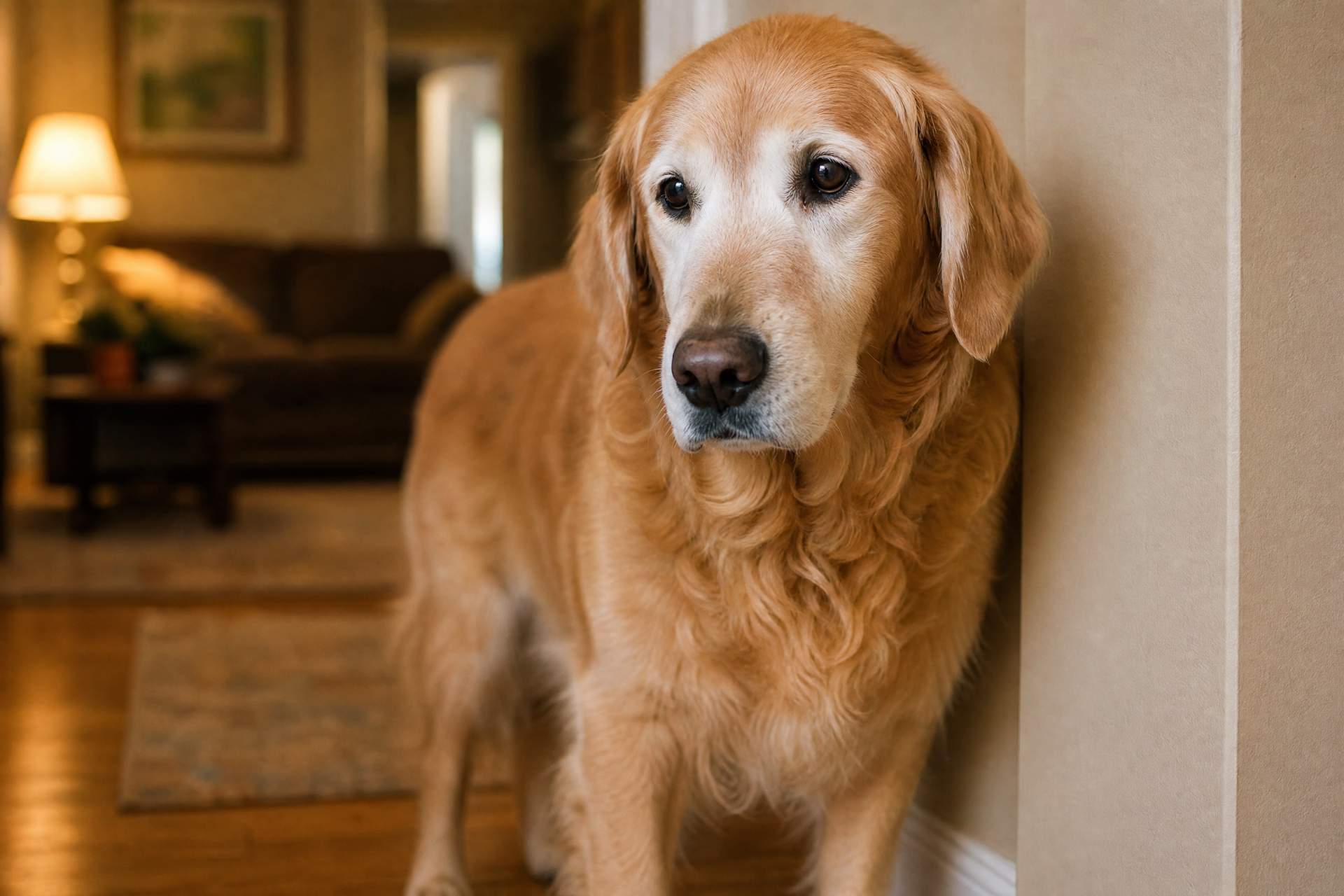
The jingle of keys. For many of us, it’s a mundane sound, a signal of an outing. But for a beloved canine companion, it can be the opening note to an internal symphony of panic. You see their tail tuck, their eyes dart, or perhaps they begin to pace, a low whimper escaping their throat. When you return, the scene might be one of chaos – shredded pillows, a puddle on the rug – or a greeting so frantic it borders on desperation, followed by an almost immediate, defeated slump once you settle in. The gnawing guilt, the confusion, the quiet question – "Am I doing something wrong?" – can weigh heavily on a loving heart. Many owners find themselves caught in this cycle, questioning their dog’s happiness, their bond, and even their own capacity to care, all without understanding the true origin of these behaviors.
It’s easy, in moments of frustration, to label these actions as 'bad behavior' or 'spite.' But as an international certified behavior consultant, having observed countless companion animals across diverse cultures, I’ve come to understand a profound truth: what we often perceive as naughtiness is, in fact, a silent howl. Your dog isn't intentionally being destructive; they are simply struggling to communicate an intense internal distress, a profound fear of abandonment or profound loneliness that manifests physically. Their chewed-up sofa isn't an act of defiance; it's a coping mechanism, a desperate attempt to release overwhelming anxiety when their world feels like it's crumbling around them.
Dogs are, at their core, deeply social beings. Their ancient ancestors thrived in packs, relying on constant companionship for safety and survival. When left alone, especially for extended periods or without adequate preparation, some dogs experience a primal fear, a surge of stress hormones flooding their system. Imagine little Leo, left alone for the first time after adoption. The door closes, and the quiet descends. At first, he might whimper, then pace, his nose nudging the door, convinced you’ve simply vanished. The silence stretches, amplifying his fear until it becomes a physical ache. He might begin to chew on the nearest familiar object, like a chair leg, not out of malice, but because the repetitive action is a self-soothing ritual, a desperate attempt to regulate his racing heart and calm his fragmented thoughts. This isn't unique to puppies; even a senior dog like old Bella, who has never shown these signs before, might develop dog separation anxiety if their routine changes or their hearing fades, making your departure feel more abrupt and isolating.
So, how do we transform this silent howl into a sigh of contentment? It begins with empathy and understanding. Your dog isn't giving you a hard time; they're having a hard time. The key is to shift our perspective from punishment to prevention, from demanding compliance to fostering security. We can teach our dogs that our departures are not permanent goodbyes, but temporary pauses. This might involve creating a safe, comfortable 'den' for them, perhaps a crate or a cozy room, where they feel secure. It also means gently introducing them to short periods of solitude, gradually extending the time, always ensuring their environment is enriched with appropriate chew toys or interactive puzzles that redirect their anxious dog behavior into positive, engaging activities. A long-lasting chew bone or an engaging interactive puzzle toy can make a world of difference, not just as a distraction, but as a calming ritual they associate with alone time, helping lonely dog minds.

The journey to helping your dog cope with being alone isn't always quick or linear, but it is one paved with compassion and consistency. Remember, you are not alone in facing these challenges, and neither is your beloved companion. By listening to their silent howls, by understanding that their 'bad behavior' is a heartfelt plea, we can transform anxiety into confidence, and strengthen the incredible, unbreakable bond you share. It’s an act of love, a testament to the depth of your connection, and the most powerful way to show them that they are truly safe, even when you’re not physically by their side.