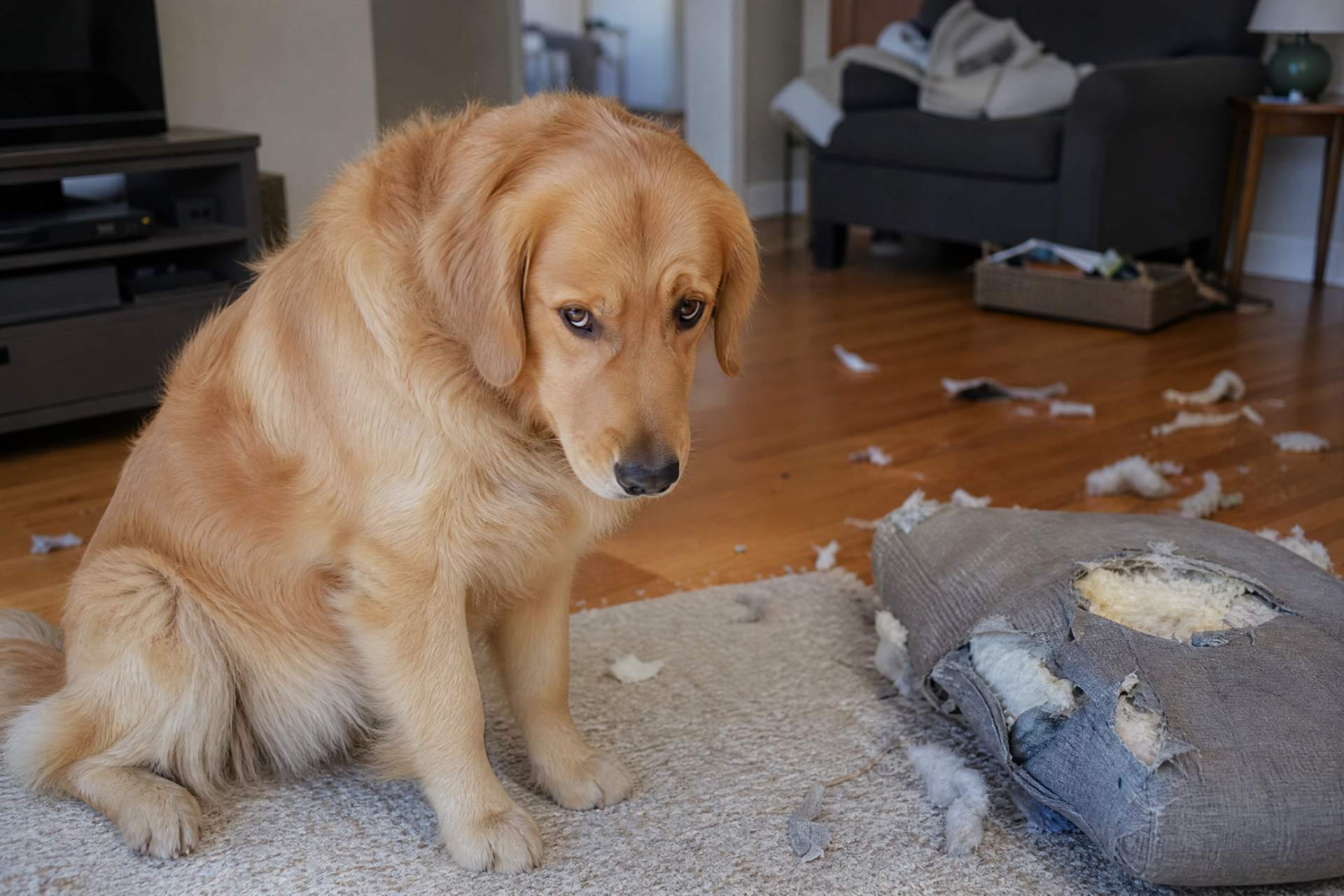
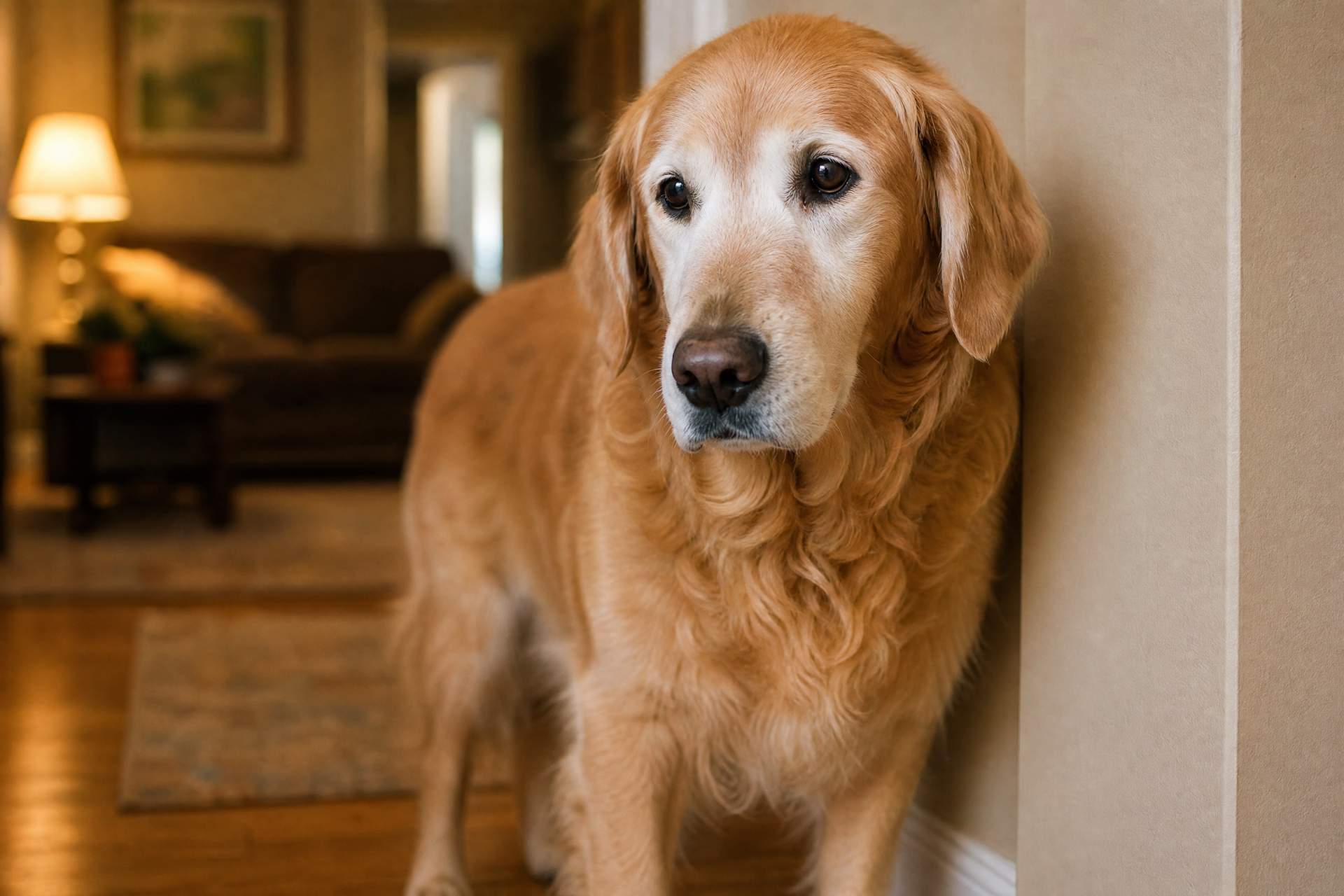
You walk through the door, your heart doing a little flip at the sight of the shredded mail, the suspicious puddle by the sofa, or the uncharacteristic silence from your usually boisterous companion. Or perhaps it's the frantic, almost desperate greeting, the excessive panting, or the way they've followed your every move since you picked up your keys. These aren't just 'bad habits' or signs of a dog 'being mad'; they're often the only clues your pet can leave you about the emotional world they inhabit while you're away, triggering a gnawing guilt or confusion in your own heart. That profound guilt and helpless frustration we feel when our beloved dog exhibits distress or withdrawal when left alone stems from the inability to truly understand their emotional state and needs during our absence.
We often believe our dogs eventually 'get used to it' or that their 'naughtiness' is a bid for attention, easily solved with a chew toy or a stern word. But what if those seemingly trivial acts – or even the quiet calm – are actually complex, misunderstood distress signals, reflecting a deeper emotional struggle? It’s a common misconception that a dog who doesn't destroy things is perfectly content when alone. In truth, what we observe, or don't observe, might be hiding profound dog separation anxiety symptoms.
Meet Bella, a sweet Beagle mix who loved her human, Sarah, with every fiber of her being. When Sarah left for work, Bella would start with a cheerful tail wag, but as the door closed, a subtle shift began. First, it was just pacing, then soft whimpers. Eventually, she'd chew on the corners of the rug, not out of malice, but from a growing knot of nervousness in her stomach. Sarah, seeing only the damaged rug, felt a mix of frustration and guilt, unaware of Bella's internal battle against loneliness. For some dogs, this stress might manifest as destructive dog behavior, while for others, it might be a silent, withdrawn sorrow, a form of learned helplessness often mistaken for contentment. Understanding dog loneliness means looking beyond the surface.
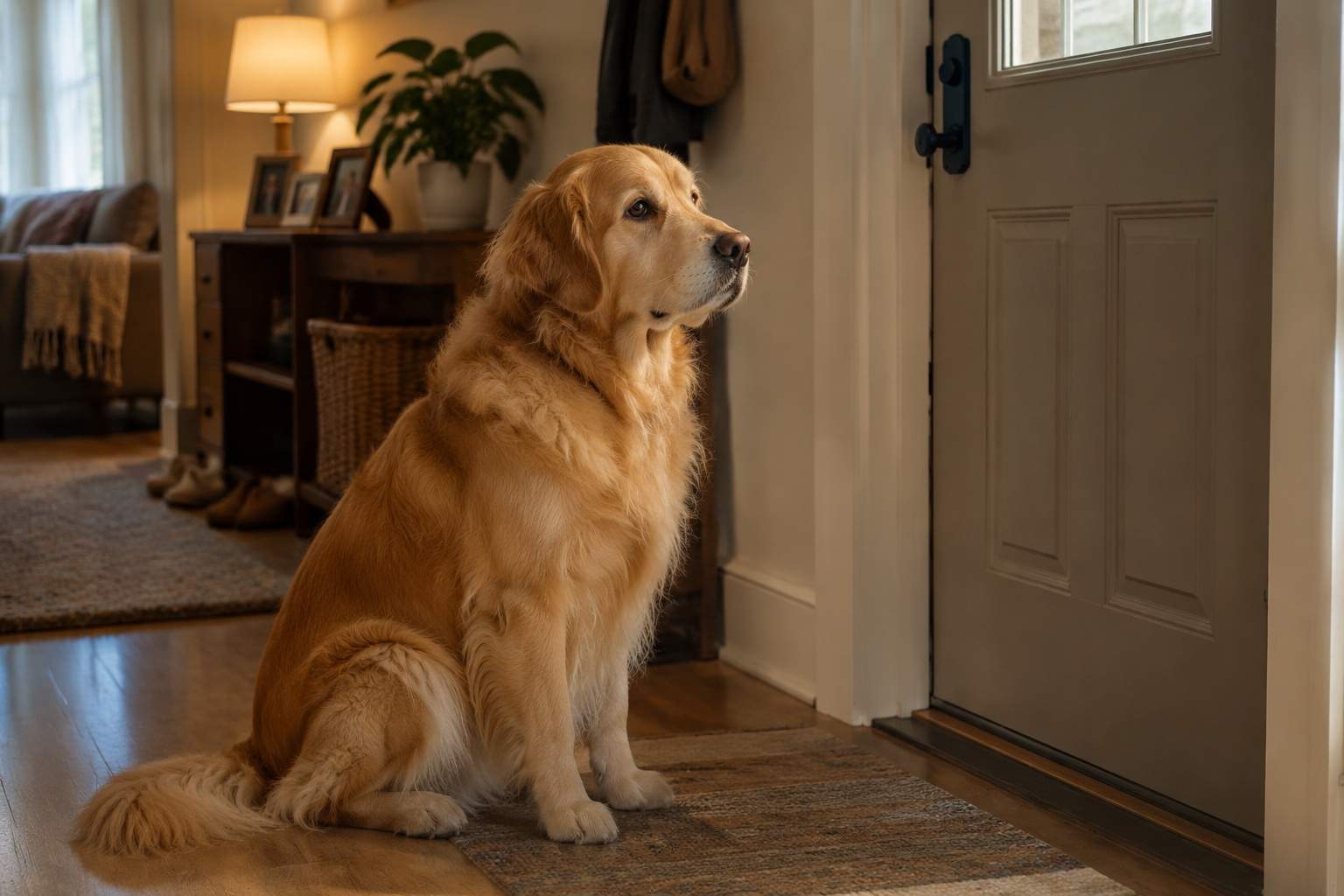
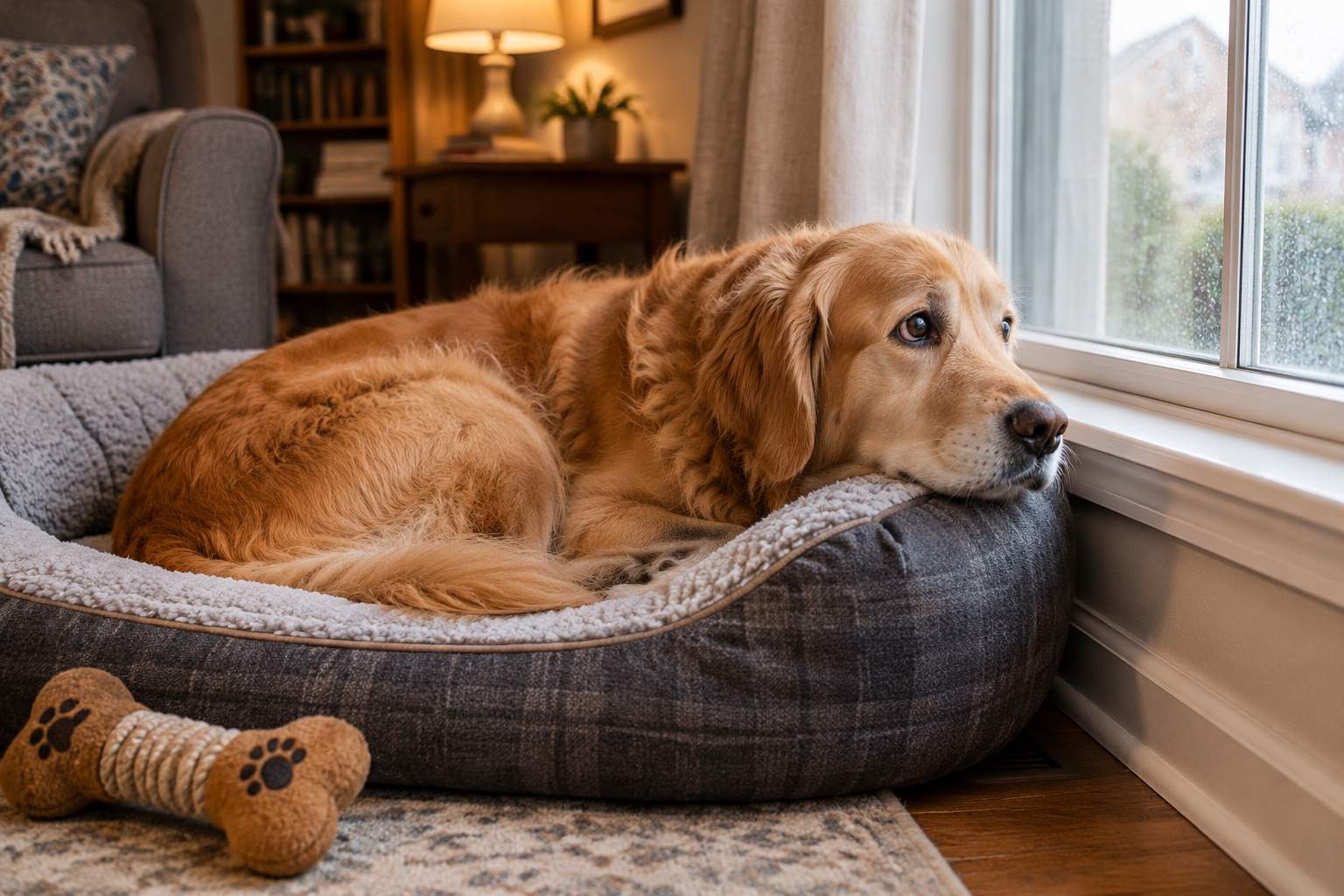
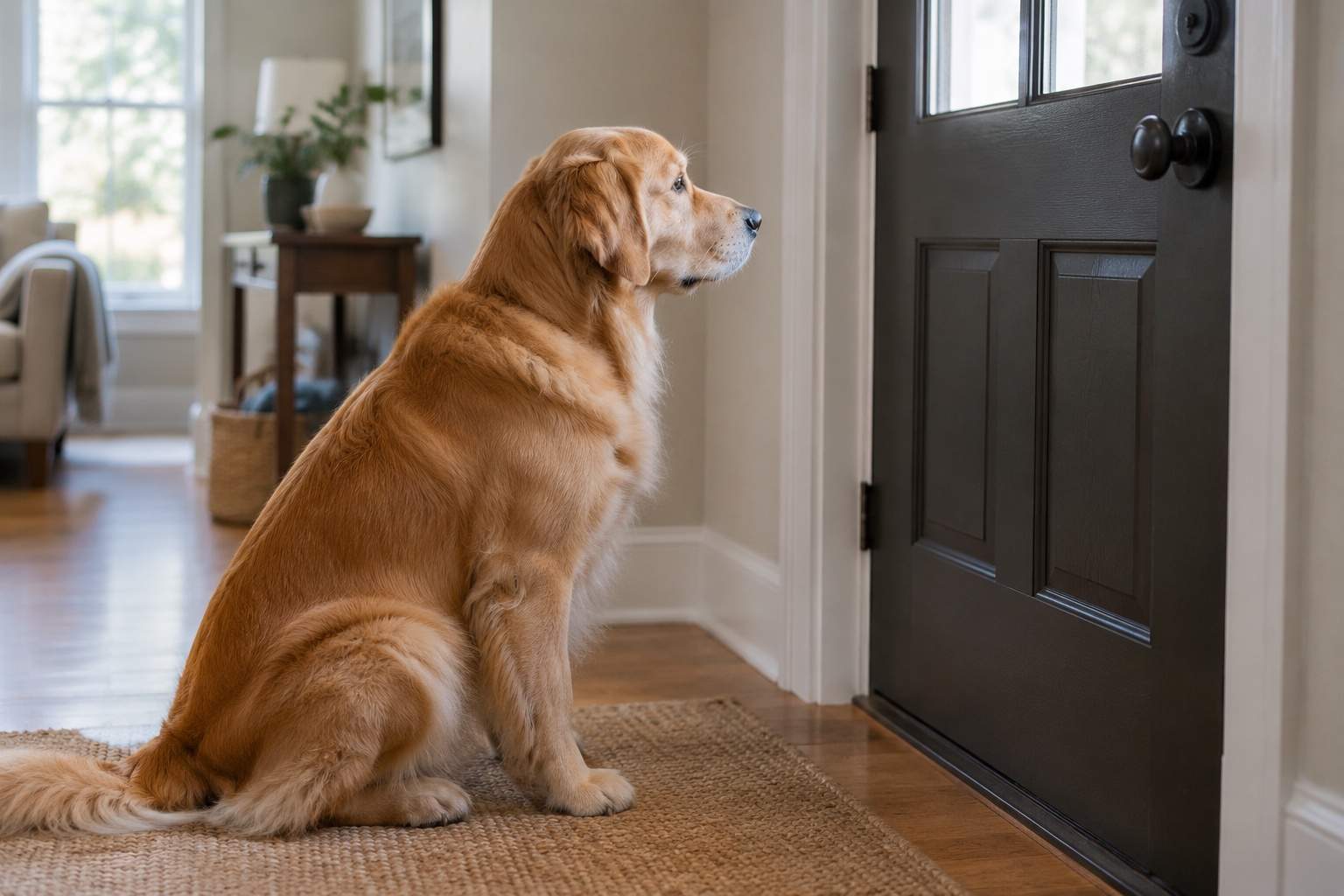
This is where the unseen hour truly comes into focus. It’s the period when our pets are navigating an emotional landscape entirely on their own. Many of us worry about what they’re doing, but how many of us truly know what they’re feeling? This gap in understanding is where technology can bridge the divide. Smart pet camera monitoring allows us to become silent observers, witnessing the subtleties of our dog’s behavior when we're not there. You might see pacing, excessive yawning, lip licking, or even just long stretches of staring at the door. These visual cues can be critical in identifying signs of dog stress alone.
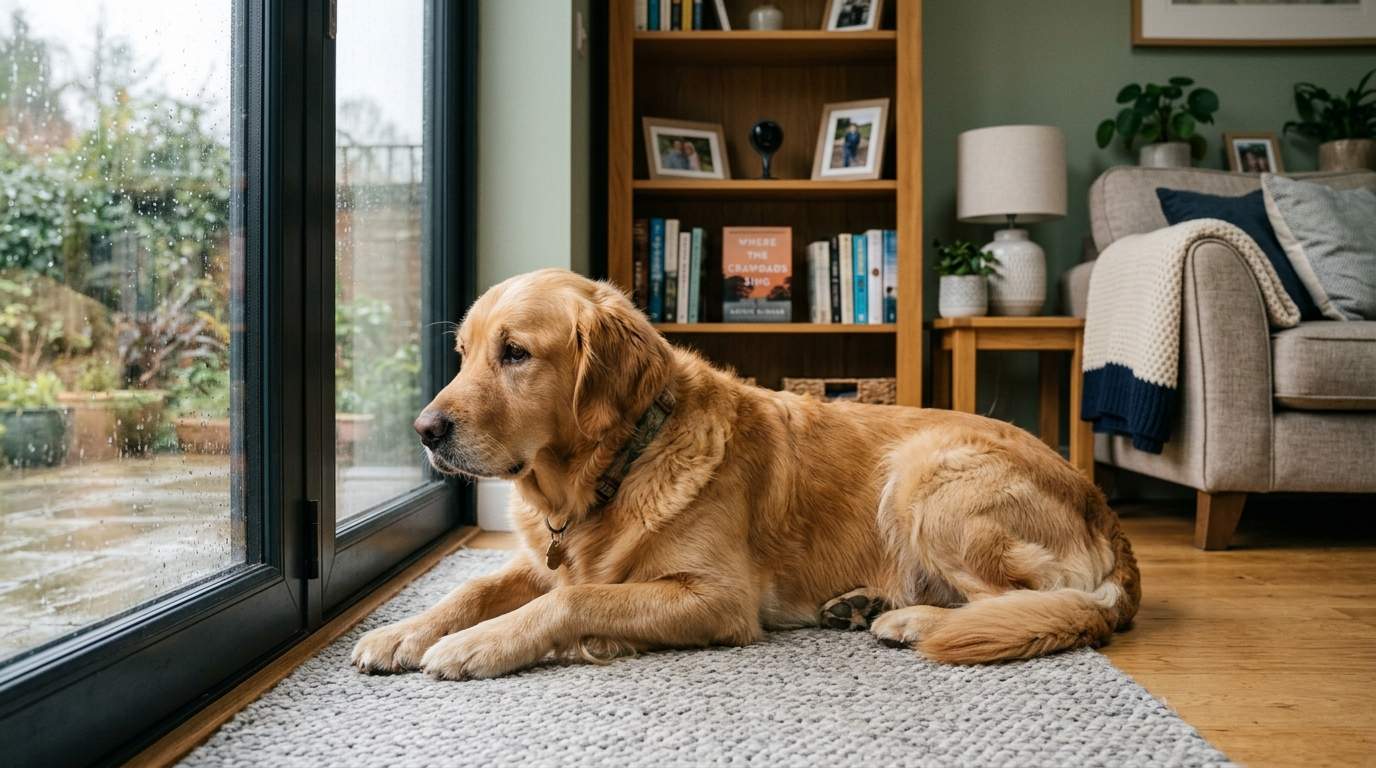
Dear owner, please know this isn't about blame. It's about opening our hearts to a deeper understanding of our cherished companions. Your dog isn't trying to be difficult; they are simply communicating their feelings in the only way they know how. Recognizing these signals is the first step towards enhancing their canine emotional health. Whether it's a boisterous puppy struggling with early independence, a sensitive senior dog adjusting to a quieter home, or a rescue dog learning to trust, each animal has a unique emotional blueprint.
My advice is always steeped in compassion and practical steps. Start by observing without judgment. Utilize that pet camera, not as a spy, but as an empathetic window into their world. If you suspect your dog is struggling, consider creating a safe, comfortable space for them, enriched with activities that engage their mind, like an interactive puzzle feeder. Slowly and gently, work on desensitization exercises, making your departures less abrupt and your arrivals less of a dramatic event. Your bond with your dog is powerful, and with patience, understanding, and the right approach, you can transform their unseen hours from a period of distress into one of comfort and quiet confidence. You have the power to heal their hearts, and in doing so, heal your own guilt.