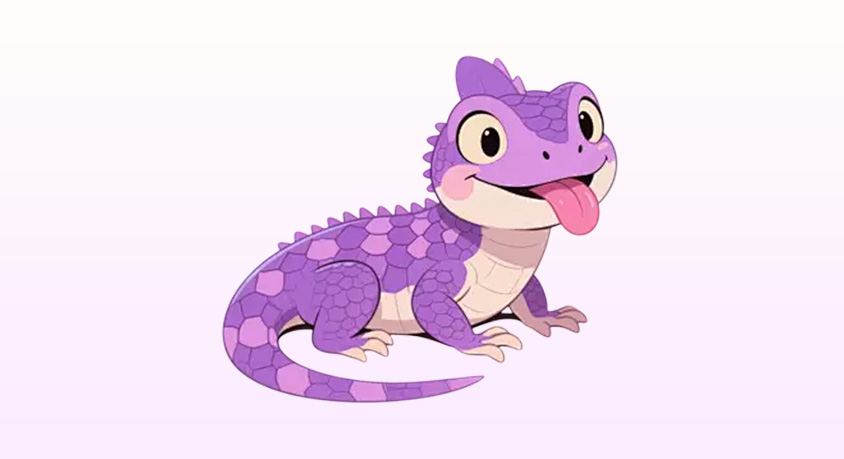
Some mornings I sit by the window with a cup of black coffee, watching the city hum below, and think about how our pets often reflect sides of ourselves we rarely show. Quiet, introspective personalities tend to gravitate toward chameleons. Tiny, color-shifting, and suspiciously regal, these creatures reward patience and careful observation rather than constant interaction. Their terrariums need precise humidity, UV lighting, and carefully arranged branches. Adjusting a twig just so and seeing the little creature respond has this oddly meditative rhythm—you’re not commanding attention, just quietly witnessing it. Some collectors even time the misting and feeding around their own slow mornings, creating a tiny ritual that feels almost sacred.
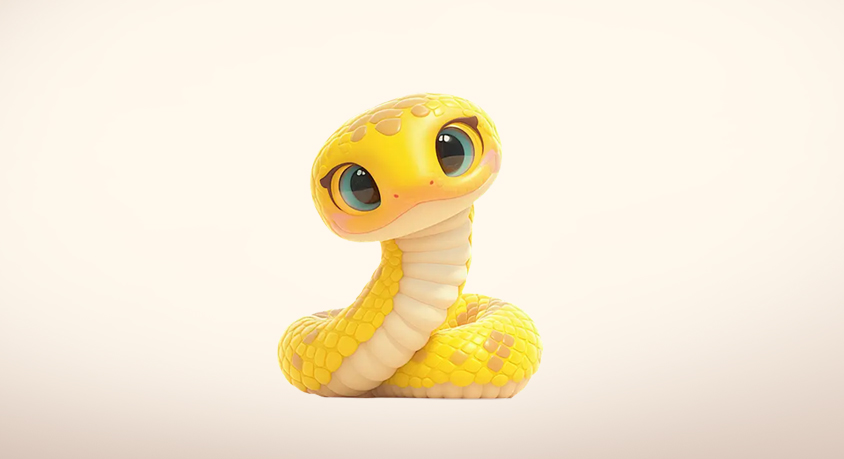
Bold, fearless personalities—the ones who thrive on control and elegance—often find themselves drawn to snakes. A corn snake or ball python moves with a quiet confidence that mirrors certain human temperaments: poised, deliberate, entirely aware of their surroundings. Feeding becomes a small ritual, almost like a private performance. Watching a snake explore a new hide or curl along a branch is hypnotic. The terrarium setup, with warm pads and monitored humidity, creates a tiny, contained world that feels satisfying in its predictability. Some owners even find themselves rearranging logs or hides late at night, simply to watch the subtle shifts in the snake’s behavior. There’s a strange comfort in that kind of quiet attention.
People with a nurturing yet slightly cautious streak often gravitate toward mini aquatic turtles. Their slow, deliberate movements match owners who enjoy patience and small rewards. Watching a turtle surface, dive, and navigate rocks in a curated tank has a hypnotic charm. The water temperature, basking lamps, and driftwood angles all matter more than you think, and these tiny adjustments become part of a weekend routine. A friend once told me she times the turtle’s feeding to coincide with her reading sessions; the turtle surfaces, she drops in a pellet, and for a few minutes, the rest of the world disappears. These small gestures, like a turtle nudging your finger while eating, create quiet companionship that’s more meditative than any human interaction.
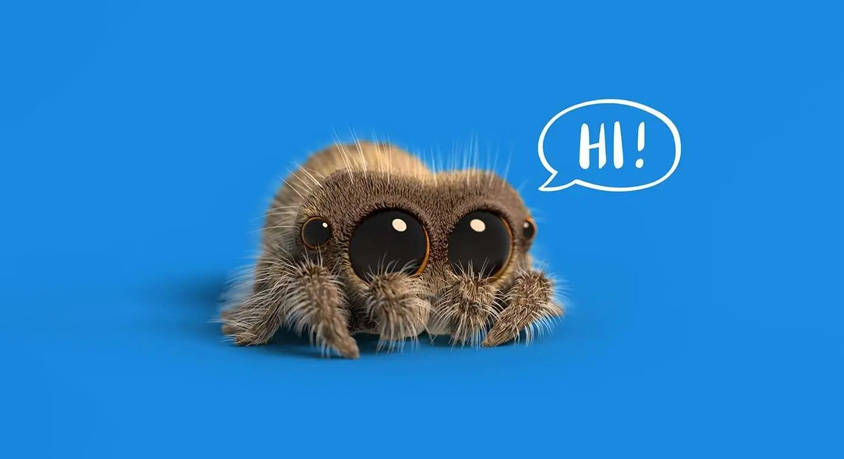
And then there’s the niche for the unconventional—people who lean into the slightly edgy or offbeat. Tarantulas, mantids, or other invertebrates resonate perfectly here. A Chilean rose tarantula isn’t just a pet; it’s a delicate obsession. Misting its habitat, adjusting the substrate depth, and observing its molting is slow, meticulous, oddly satisfying work. Mantids, with their elegant predatory motions, demand a different kind of attention: vertical climbing structures, careful humidity, and live food at precise intervals. These creatures don’t seek affection, yet they pull you into their miniature worlds, rewarding curiosity, patience, and subtle engagement. Some collectors even name each mantid based on its hunting style, turning observation into a playful ritual.
People who are patient, observant, or slightly unconventional tend to pick pets that mirror their inner tempo. Tiny routines—spraying leaves, cleaning water filters, adjusting climbing branches—become grounding habits. A friend once joked that her tarantula helped her focus more than any meditation ever did, and I couldn’t argue. Choosing a pet this way—by the resonance of temperament rather than trendiness—creates a quiet, personal harmony. Your apartment transforms into a stage where personality and animal quirks meet. It can be messy, unpredictable, and sometimes frustrating, but when your pet mirrors your pace, moods, and small rituals, the urban noise outside feels distant, and the rhythms inside feel just right.