There’s something quietly captivating about watching a spider move—slow, deliberate, precise. Not the kind that makes you jump, but the type that rewards patience and observation. For first-time exotic pet owners, starting with a spider can feel oddly satisfying, almost like cultivating a tiny, mysterious ecosystem on your desk. If you’ve ever considered taking the plunge, here’s a little insider guide to five beginner-friendly spiders that won’t bite more than your attention span.
Red-knee tarantulas, or Brachypelma hamorii, are basically the poster child for new spider owners. They grow slowly, live decades if cared for properly, and their temperament is gentle—definitely more “observe and relax” than “panic attack.” A medium terrarium with a substrate for burrowing, a shallow water dish, and a few hides is all they need. Feeding is surprisingly simple: crickets or mealworms twice a week, watching them stalk and ambush is mesmerizing in a very calm way. Some owners even use tweezers to drop food near their spider’s hide, which somehow makes the ritual feel more intimate.
Mexican red-knee tarantulas share a similar vibe but have slightly more vibrant coloration. They’re hardy, slow-moving, and tolerate handling reasonably well, though careful fingers are always advised. I know someone who keeps one on a low shelf in their studio apartment, and it somehow makes the room feel less sterile. Humidity is important but not fussy—misting once or twice a week keeps their environment comfortable, along with a heat source set to roughly the temperature of a cozy apartment corner.
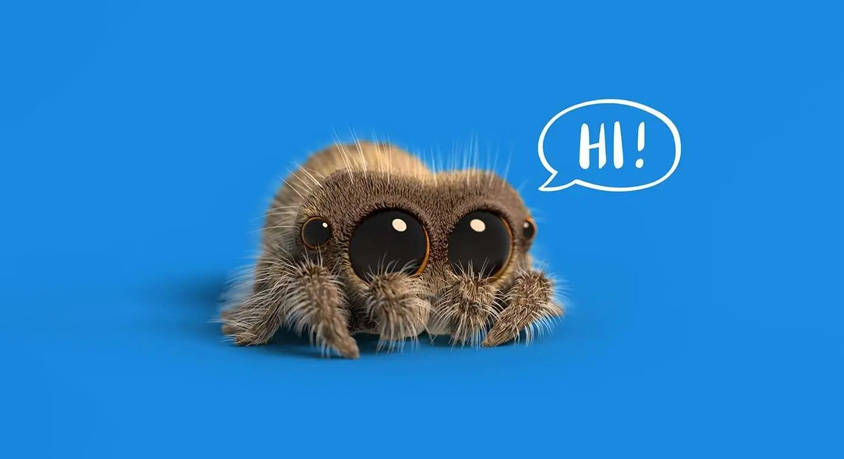
If you want a splash of color and a dash of activity, rainbow tarantulas—Poecilotheria regalis—fit the bill. They’re arboreal, so vertical space in a terrarium is a must, with cork bark or branches to climb. Feeding involves crickets and the occasional roach, and watching them navigate their environment is oddly hypnotic. They’re not the best for handling, but that’s part of the charm: you’re interacting through observation, appreciating pattern, speed, and grace without needing to touch.
For those who enjoy smaller, faster species, pinktoe tarantulas are a dream. Tiny and arboreal, they’re ideal for someone who likes vertical setups with live plants or climbing structures. They can be jumpy, so patience is key. A small water source, consistent humidity, and a mix of vertical and horizontal hiding spots make their home feel natural. Feeding is straightforward, usually crickets or other small insects, but it’s the micro-moments—watching them tiptoe across a leaf—that draw you in.
Finally, Chilean rose tarantulas are a classic beginner favorite, and with good reason. Docile, tolerant of slight environmental fluctuations, and slow-growing, they live well in a simple, moderately sized terrarium with basic substrate and a water dish. They accept food without theatrics, making feeding relaxing rather than stressful. Observing the subtle way they shift and adjust in their hide—tiny leg movements, a slow crawl—is unexpectedly meditative, especially after a hectic day.
One of the best moments with these spiders happens at night. I dim the lights, leave a soft lamp on, and spend ten minutes just watching them stir in their terrariums. There’s a quiet intimacy in seeing a red-knee stretch over a log or a pinktoe traverse a leaf tip under warm light. I’ve started timing my misting and feeding to this ritual; even dropping a cricket with tweezers feels like a small performance. It’s weirdly grounding—like the spiders create their own tiny rhythm that your day subconsciously tunes into.
Keeping spiders is less about high-maintenance care and more about these slow rituals: mist, check humidity, monitor temperature, feed, rearrange hides, and observe. They don’t cuddle, but they reward attention in subtle, elegant ways. Once you adjust to their tempo, the hum of the city outside suddenly feels distant—the micro-world inside the terrarium pulls you in, and you find yourself looking forward to those tiny moments of connection, night after night.