When I adopted Luna, a rescued fennec fox, her first vocalization left me baffled—a rapid, staccato “gek-gek-gek” that sounded like a cross between a laugh and a chirp. I initially mistook it for distress, reaching for a comfort treat until I noticed her ears perked forward and tail flicking gently. That moment sparked a fascination: foxes, despite their canine-like appearance, communicate through a unique lexicon of sounds and movements that diverges sharply from dogs or cats. Unlike domesticated pets, whose body language has been studied extensively, fox communication remains a niche area of animal behavior research—but what we’ve learned reveals a surprisingly nuanced system.
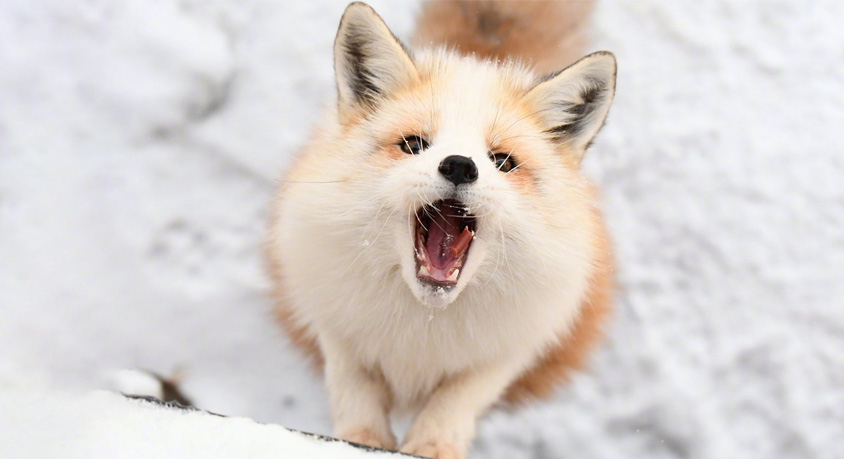
The “gekker” sound, as animal behaviorists term it, is perhaps the most iconic. A 2018 study published in the Journal of Mammalogy analyzed 500+ vocalizations from captive foxes and found that gekkers occur 83% of the time during positive interactions—playtime, mealtime, or when greeting familiar humans. Luna’s gekker, I soon realized, was her version of excitement: she emits it when I grab her harness for walks or set down her favorite meal of crickets and sweet potato. Foxes also produce distinct barks—short, sharp bursts that serve as alarms—and “screams,” high-pitched calls used to signal danger or territorial claims. Unlike dog barks, which vary in tone and duration, fox barks are consistent in frequency, acting as a clear, unambiguous warning.
Tail wags, however, are where foxes defy our domestic pet biases. Dog owners instinctively associate tail wags with friendliness, but fox tails tell a different story. Research from the University of California, Davis, shows that foxes wag their tails primarily to express arousal—whether positive (excitement) or negative (anxiety). A slow, wide wag accompanied by relaxed ears indicates eagerness (Luna does this when waiting for a toy), while a rapid, tight wag paired with flattened ears signals stress. The key difference lies in tail position: a high-held wag suggests confidence, while a low-hanging wag indicates submission. This distinction is critical for pet fox owners; misinterpreting a stressed wag as friendliness can lead to skittishness or defensive behavior.
Ears and facial expressions complete the picture. Forward-facing ears with slightly tilted tips mean curiosity—Luna cocks them this way when investigating new objects, like a crumpled paper bag. Ears flattened against the head signal fear or discomfort, while one ear up and one down indicates uncertainty. Then there’s the “fox kiss”: a gentle nudge with the mouth, often followed by a lick. Unlike cat kisses (which are grooming) or dog kisses (which can be playful or submissive), fox kisses are a sign of trust. Luna reserves hers for quiet evenings, pressing her soft muzzle to my hand after a long day—a subtle but profound gesture of bonding.
Understanding these cues has transformed my relationship with Luna. What once felt like cryptic behavior now feels like a conversation: her gekkers tell me she’s happy, her tail wags warn me when she’s overwhelmed, and her ear positions reveal her curiosity. For fox owners, decoding this language isn’t just a party trick—it’s a way to honor their pet’s wild heritage while building a deep, mutual understanding. Foxes may not communicate like dogs, but their signals are no less clear—if we take the time to listen and observe. After all, communication isn’t about speaking the same language; it’s about learning to interpret the one they’re already using.