Scroll through Instagram or TikTok, and you’ll encounter the “exotic cat flex”: influencers posing with servals—slender, spotted wild cats with oversized ears—or caracals, known for their tufted “lynx-like” ears, as if they’re domesticated companions. A quick search reveals thousands of posts tagged #ServalPet, many framing these animals as status symbols: rare, beautiful, and “cooler” than a standard cat or dog. But beneath the curated aesthetics lies a reality that defies the illusion: servals and caracals are wild animals, not pets, and their domestication is a myth built on legal loopholes, animal suffering, and human vanity.
Biologically, these medium-sized felids are hardwired for the wild. Servals, native to African savannas, require up to 20 square kilometers of territory to hunt rodents and birds; caracals, found across Africa and Asia, are solitary hunters that leap 3 meters into the air to catch prey. In captivity, even the largest backyard or custom enclosure cannot replicate their natural habitat. A 2022 study by the International Union for Conservation of Nature (IUCN) found that 85% of captive servals and caracals develop stereotypic behaviors—endless pacing, over-grooming, or aggression—due to chronic stress and unmet behavioral needs. One rescuer at a Florida wildlife sanctuary described a surrendered serval that had chewed through its own tail from boredom and anxiety: “It had never run, hunted, or socialized with other servals—just lived in a 10x10 foot cage for three years.”
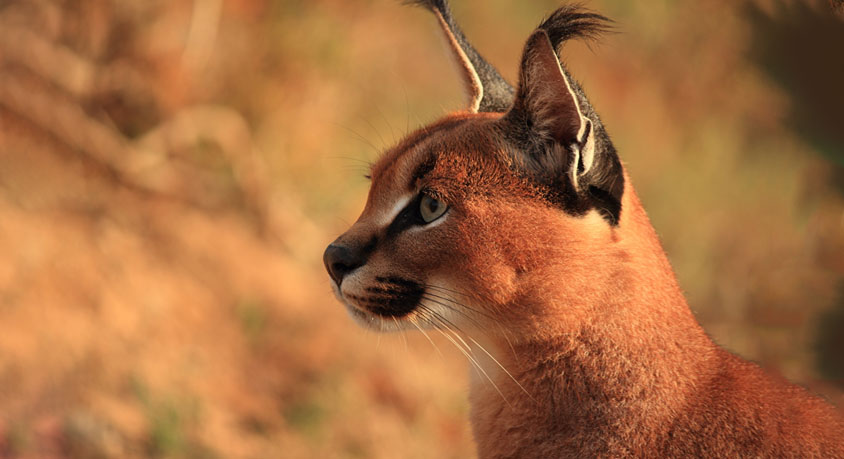
Legally, ownership of servals and caracals is a patchwork of contradictions in the U.S. Only 19 states ban private ownership outright; others require permits that are often vague or easy to obtain, while 13 states have no regulations at all. Yet even in “legal” states, the risks are significant: escaped wild cats pose threats to local ecosystems and human safety, and owners face fines, felony charges, or forced surrender if their animal injures someone. In Texas—one of the least regulated states—a 2021 incident saw a caracal attack a neighbor’s child, leading to the animal’s euthanasia and the owner’s prosecution for reckless endangerment.
The welfare crisis extends beyond individual animals. Most captive servals and caracals are bred in unregulated “exotic pet mills,” where inbreeding is common to produce “desirable” traits (e.g., paler coats), leading to genetic defects like hip dysplasia or heart disease. Few owners are prepared for the long-term costs: a serval eats 2-3 pounds of raw meat daily (costing $500+ monthly), requires specialized veterinary care (rare and expensive), and lives up to 20 years—far longer than many owners anticipate. The result? An estimated 70% of captive servals and caracals are surrendered to overcrowded sanctuaries by age 5, or worse, abandoned.
The “exotic cat pet” trend is not about companionship—it is about human desire to possess something rare and untamed. Servals and caracals are not accessories, nor are they capable of adapting to domestic life. Their wild instincts, biological needs, and legal vulnerability make them victims of a trend that prioritizes aesthetics over animal welfare. To truly appreciate these animals is to recognize they belong in the wild, not in a living room or Instagram post.