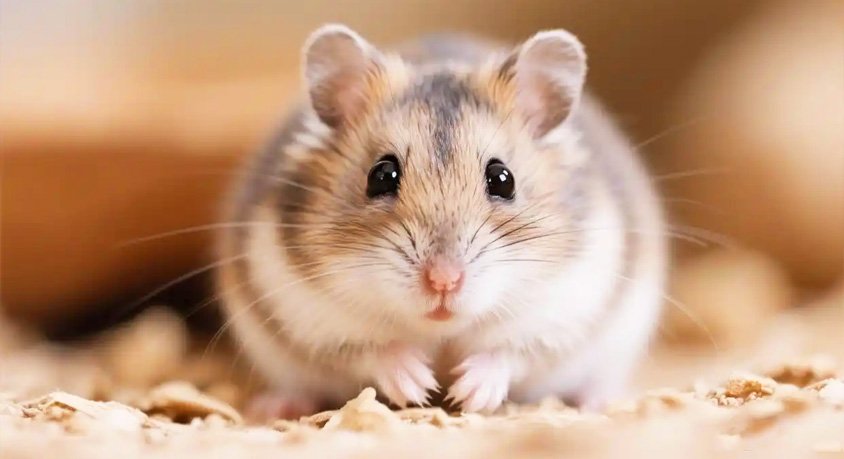
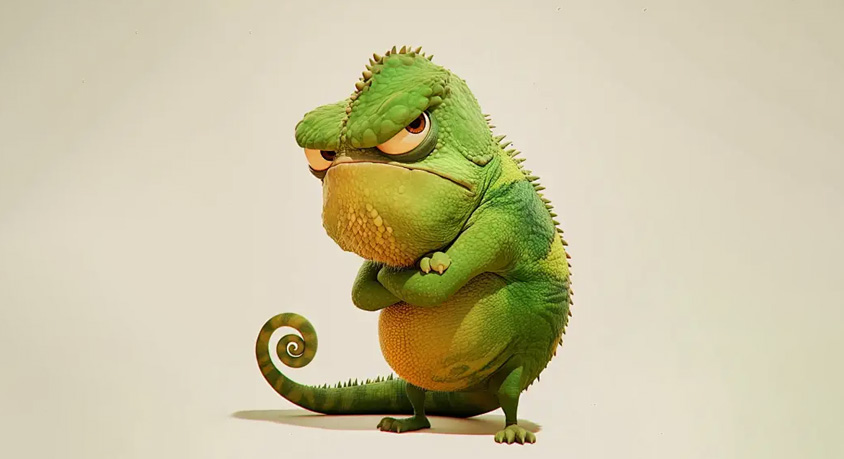
A colleague of mine, Emma, recently showed me photos of her new pet: a long-tailed hamster named Loki, with a fluffy, bottlebrush tail nearly as long as its body and large, dark eyes that gave it the look of a studio Ghibli character. “I wanted something more unique than a regular hamster,” she explained, “but I had no idea its tail was the least interesting thing about it.” What Emma discovered—after a panic when Loki seemed to “die” one cold winter week—is that long-tailed hamsters (Phodopus sungorus campbelli, a subspecies of Campbell’s dwarf hamster, often mislabeled as “exotic” variants) are far more biologically complex than their cute exterior suggests. Their hibernation torpor and specialized needs challenge the myth of “low-effort” rodent ownership, requiring a level of scientific understanding that many casual pet owners overlook.
Biologically, long-tailed hamsters are fascinating adaptations to harsh environments. Native to the steppes of Central Asia, they evolved to survive extreme temperature swings, with their signature tails serving triple duty: balancing during climbs, storing fat reserves for lean months, and providing insulation against cold. Unlike common Syrian hamsters, they are crepuscular (active at dawn and dusk) rather than strictly nocturnal, and their cognitive flexibility is notable—Emma reports Loki learned to associate the sound of her feeding container with treats within a week, and navigates a multi-level cage with deliberate precision. But their most defining trait is torpor: a state of reduced metabolic activity triggered by cold (below 10°C/50°F) or food scarcity, distinct from true hibernation but equally risky in captivity.
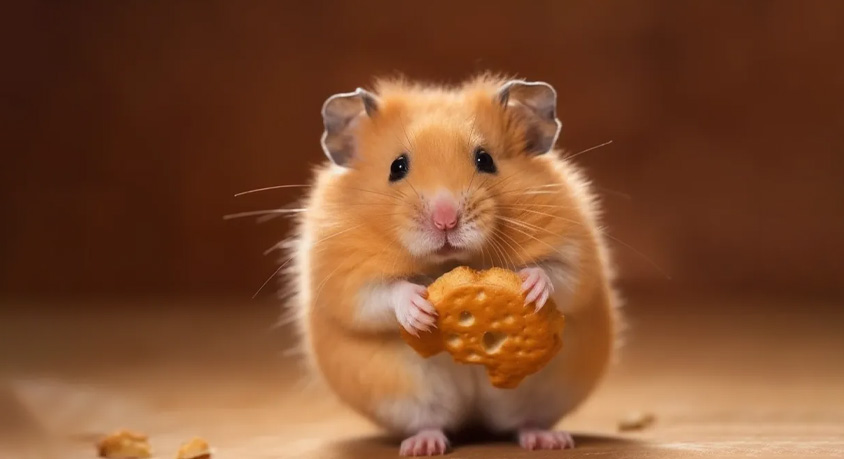
Emma’s scare came when her apartment’s heating failed overnight, dropping to 8°C. She found Loki curled motionless in his nest, body cold to the touch, and assumed the worst—until a vet explained torpor. “Domesticated long-tailed hamsters retain this wild instinct, but their bodies aren’t adapted to survive abrupt temperature drops in a cage,” the vet told her. “Without the ability to forage or regulate their den’s microclimate, torpor can quickly turn fatal.” Restoring Loki’s environment to 18°C (64°F) over several hours revived him, but the incident highlighted a critical truth: these rodents require environmental stability that goes beyond basic cage care. Owners must maintain a consistent temperature of 15-22°C, avoid drafty areas, and provide deep, insulated bedding (hay mixed with paper pulp) to mimic their natural burrows.
Their care needs extend to diet and behavior. Long-tailed hamsters are omnivores with specific nutritional requirements: a base of high-fiber seeds, supplemented with small portions of dried mealworms, crickets for protein and fresh leafy greens (spinach, kale) for vitamins. Emma learned the hard way that overfeeding fruits or sugary treats leads to obesity—a common issue in captive specimens, as their wild foraging activity (up to 5km/day) is impossible to replicate indoors. They also exhibit strong territorial instincts: adult males cannot cohabitate, and even females may fight if introduced after 3 months of age. Providing vertical space (climbing branches) and a large running wheel (at least 20cm in diameter) helps alleviate boredom, which manifests as bar-chewing or tail-biting.
The allure of long-tailed hamsters lies in their unique appearance and subtle intelligence, but they are not pets for casual buyers. Their torpor response, dietary specificity, and behavioral needs demand a commitment to understanding their wild origins. Emma now tracks Loki’s environment with a digital thermometer and adjusts his diet based on seasonal activity levels—efforts that have deepened their bond. “He’s not just a ‘cute rodent,’” she says. “He’s a living example of how wild biology persists in domestic settings.” For potential owners, the question is not whether they want a long-tailed hamster, but whether they are willing to meet it on its biological terms—respecting its instincts rather than expecting it to adapt to human convenience.