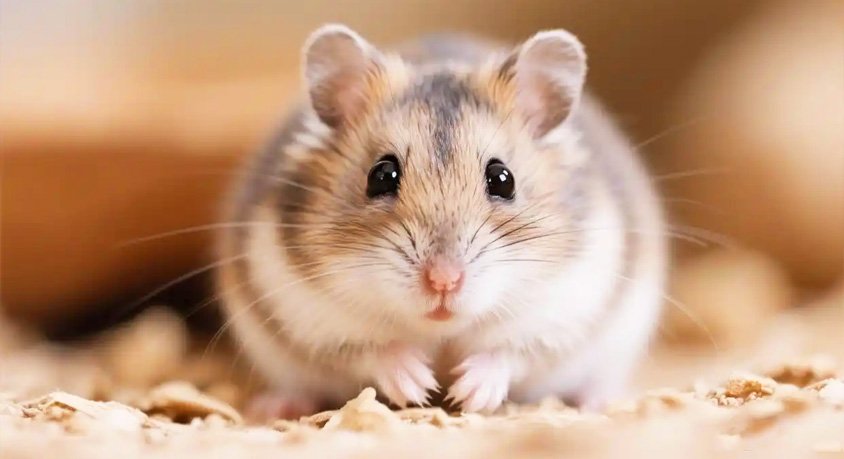
When my friend Eli brought home a fancy rat named Charlie, I laughed and said, “You got a pet sewer rat?” I ate my words faster than Charlie scarfed down a piece of apple. Fancy rats—domesticated, bred for companionship—are nothing like their wild cousins. They’re the secret geniuses of the rodent world: trainable like dogs, loyal to their owners, and capable of bonding so deeply they’ll greet you at the cage door. We’ve all been brainwashed by cartoons and horror movies to see rats as pests, but these pocket-sized companions are rewriting the rulebook for what a “small pet” can be.
Let’s start with the science: Fancy rats have the cognitive ability of a 2-3 year old human child, according to studies from the University of Liverpool. They recognize their owners’ voices and faces, remember routines (Eli says Charlie knows exactly when it’s snack time—3 PM sharp, without fail), and can learn complex tricks faster than some dog breeds. Eli trained Charlie to spin in circles, fetch tiny toys, and even respond to his name with a little squeak. “I used positive reinforcement—dried blueberries as rewards—and he picked up ‘spin’ in two days,” Eli says. “He even figured out how to open his cage door by lifting the latch with his paw (I had to upgrade to a secure lock).” Unlike hamsters or gerbils, which are solitary and skittish, fancy rats are hyper-social—they crave human interaction and get depressed if left alone for long stretches (Eli adopted a second rat, Lola, to keep Charlie company).
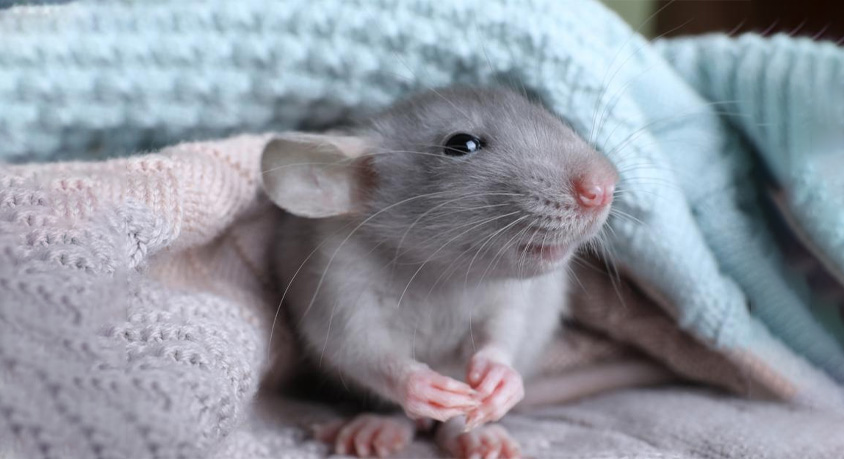
The loyalty factor is what truly blows my mind. Charlie greets Eli at the door by climbing onto his shoulder, where he’ll sit for hours while Eli works. If Eli is sad, Charlie nuzzles his cheek and squeaks softly—a behavior vets call “emotional mirroring.” I once spent a weekend pet-sitting them, and Charlie ignored me for the first day (he missed Eli) before warming up to hand-fed treats. By Sunday, he was curled up in my hoodie pocket, but he still perked up and squeaked when Eli’s voice came through the phone. “They form lifelong bonds with their humans,” says Dr. Lisa Mendez, a small animal vet who specializes in exotic pets. “Fancy rats are more like tiny dogs than rodents—they want to be part of your daily life, not just a cage decoration.”
Training a fancy rat is simple (and fun) if you stick to positive reinforcement—never punishment, which breaks their trust. Start with basic commands (“come,” “spin”) using their favorite treats (dried fruits, plain popcorn), and keep sessions short (5-10 minutes) to hold their attention. They’re also great at agility—Eli built a mini obstacle course with PVC pipes and ramps, and Charlie navigates it in under a minute for a reward. The only catch? They need space: a multi-level cage with toys and hiding spots to keep their smart brains busy (bored rats get destructive, just like bored dogs).
Fancy rats are the ultimate underrated pet for anyone who wants a trainable, loyal companion but doesn’t have space for a dog. They’re quiet, clean (they groom themselves like cats), and their lifespan (2-3 years) is manageable for first-time pet owners. Eli still teases me about my initial skepticism: “You thought he was a pest—now you’re begging to take him for ‘shoulder walks.’” He’s right—Charlie has turned me into a rat convert, and I’m not alone: #FancyRatTikTok has 800 million views, with owners showing off their rats’ tricks and cuddle sessions.
If you’re tired of the same old hamsters or guinea pigs and want a small pet that actually interacts with you, give fancy rats a chance. They’ll surprise you with their smarts, melt your heart with their loyalty, and make you forget everything you thought you knew about rats.