You know, in a city apartment with a skyline view and the faint hum of traffic, the usual dog-and-cat routine starts to feel almost… pedestrian. That’s when people like me start poking around the edges of what counts as “pet material.” Most folks wouldn’t blink at a parakeet or even a fancy hamster, but the kind of collectors who thrive on oddity are playing in a whole other league. Take axolotls, for example. These little Mexican salamanders, permanently in their larval form, have this uncanny, perpetually curious stare. They arrive in the mail in small, padded containers, which feels a little like unpacking an alien artifact. They aren’t high-maintenance per se, but their aquatic setup—temperatures hovering in the mid-60s, filtered tanks, occasional live food—demands attention. There’s a slow rhythm to feeding them, watching them glide under the water lilies you arrange, that’s almost hypnotic.
Some collectors drift toward arachnids. Tarantulas, like the Chilean Rose, carry this weird combination of menace and elegance. I once overheard someone remark that watering them is the closest thing they get to meditative gardening. The cages are tiny but complex: layers of substrate, hiding spots, and a little water dish carefully placed. The appeal isn’t just their aesthetic—though the pinkish sheen is undeniably captivating—it’s the patience required, the quiet observation. People swear by using insect tongs for feeding; clumsy fingers are a death sentence. There’s an odd satisfaction in the microcosm of their world: very controlled, very delicate.
Then there’s the insectophile’s dream: mantids. These predatory insects are shockingly personable, almost interactive if you spend enough time watching. They’re not cuddly, but watching a mantis hunt a cricket has a strange, almost cinematic quality. They thrive in vertical tanks with plenty of climbing structures—bamboo sticks, faux leaves—and a careful misting schedule. I know a collector who names every mantis based on their hunting style: “Shadow,” “Hunter,” “Slicer.” It’s part pet, part performance art.
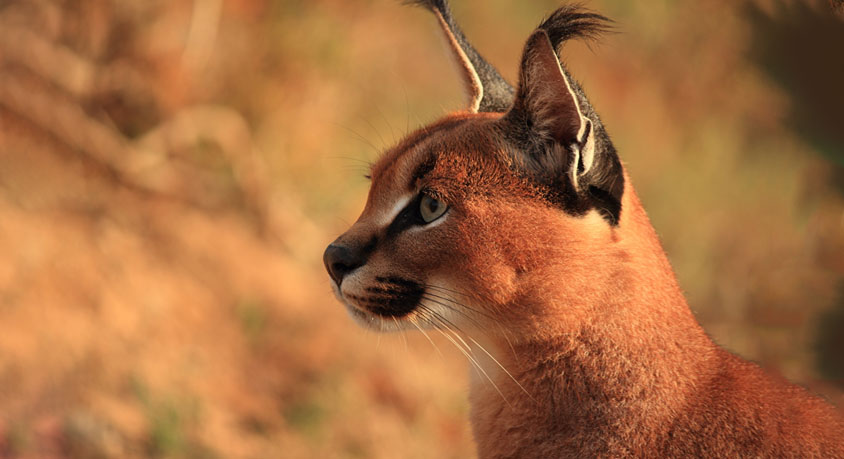
Somewhere between whimsy and absurdity, people also collect small exotic mammals, legally, like fennec foxes. Tiny ears, mischievous eyes, and boundless energy. They bond quickly, hopping around your apartment like a miniature desert spirit. The trick is creating a space that mimics their natural burrow-like environment; a cage alone isn’t enough. They’re messy, nocturnal, occasionally tossing bedding at 3 a.m., which tests your urban patience. Yet, watching them curl up into a tiny ball under a soft blanket carries a quiet satisfaction. That weird paradox—messy but mesmerizing—is oddly addictive.
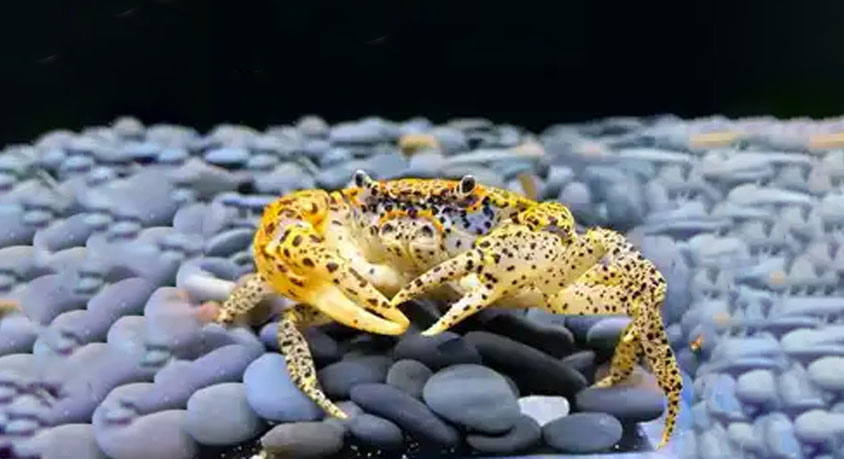
Oddly enough, aquatic invertebrates have their own cult following. Freshwater shrimp, tiny crayfish, even some species of crabs are not only legal but ridiculously easy to overlook in a mainstream pet shop. A terrarium or a similarly designed aquatic habitat makes these creatures more visible, almost like a living desktop ornament. They need careful water chemistry—slightly acidic, filtered, stable—but once that’s dialed in, the micro-ecosystem hums along like a miniature city. Feeding is delicate: blanched veggies or specialized pellets, delivered with precision tweezers. It’s a lesson in focus, tiny yet satisfying.
It might sound excessive, but for urban pet collectors, the thrill isn’t in rarity alone; it’s in learning the intimate quirks of a creature that almost nobody else notices. It’s a slow, tactile hobby: arranging moss, adjusting lamps, misting leaves, timing feeding, watching reactions. The payoff isn’t just Instagrammable: it’s a kind of domestic poetry. Something about knowing that in your small apartment, a world completely different from the city’s rush is quietly humming under your care.
The charm of these pets isn’t universal, and let’s be honest, most friends will raise an eyebrow—or a double eyebrow—but that’s part of the allure. They’re legal, alive, demanding in subtle ways, and each one teaches patience and attention you can’t get from a goldfish. Maybe that’s why, after hours with a mantis poised in the corner of a terrarium or a shrimp lazily grazing, the whole urban chaos outside your window seems almost irrelevant. It’s a peculiar sanctuary, and collecting these creatures is, in its own quiet way, a rebellion against ordinary.