When people first ask me about keeping a spider at home, the first question is almost always, “Is it dangerous?” The truth is complicated but manageable. Most pet spiders are not aggressive and bites are extremely rare. Even species with venom rarely pose a real threat to a healthy adult. I’ve kept terrestrial and arboreal types for years, and the only times I’ve had minor nips were during a rushed feeding session—my fault entirely, not theirs. What matters more than fear is preparation.
The first layer of safety starts with the enclosure. Mesh covers or secure lids prevent escapees, which is essential if you have curious family members or pets wandering around. I once had a juvenile spider climb out while I wasn’t looking because I skipped securing the lid properly. That afternoon involved a careful sweep of the living room and a small amount of panic. Since then, I treat the top cover like a lock, not a suggestion. A simple mesh lid also allows airflow, which spiders need, but it keeps everyone safe.
Handling is another area that deserves attention. I rarely pick up my spiders with bare hands; I prefer using spider handling tools or soft tongs. Even a docile spider can react unpredictably if startled. Protective gloves—thin nitrile works best—are useful not only for preventing bites but also for keeping your scent from stressing the spider. I’ve found that wearing gloves turns handling into a calm routine. You can gently move substrate, reposition decorations, or assist during molting without creating unnecessary tension on either side.
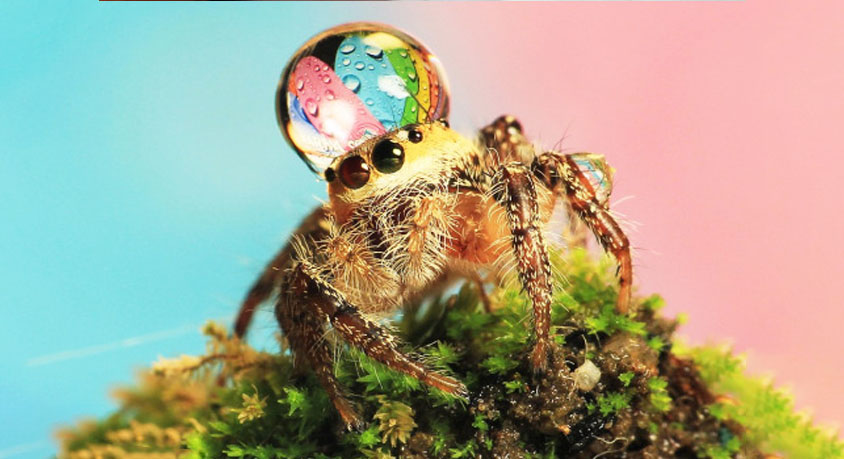
Cleaning and maintenance are moments where safety protocols matter. I avoid reaching into the enclosure without moving the spider to a temporary hide or using tongs to lift it gently. Water bowls need topping up, and occasional substrate adjustments are unavoidable, but I treat these tasks like a mini operation. A spilled cricket or sudden hand movement can be misread, and I’ve seen first-hand how a startled spider can dash and hide. Tools, patience, and a bit of foresight prevent these situations. I often time my maintenance with the spider’s natural inactivity periods—usually during the day for nocturnal species—to minimize stress.
Another practical habit: keep children and other household pets aware of boundaries. I’ve had family members hover over a tank in curiosity, which usually results in the spider retreating or becoming defensive. A simple rule—observe, don’t touch—saves everyone a few heartbeats of unnecessary panic. For extra protection, I sometimes place small furniture barriers or use a dedicated room corner for the terrarium. Spiders are surprisingly resilient if their environment is stable, but they respond poorly to repeated disturbances.
Observing behavior is part of the safety loop. Watching a spider adjust its posture or withdraw from activity is not just interesting; it’s feedback. If I notice unusual twitching or lethargy, I pause any handling or rearranging and check temperature, humidity, and feeding routines. Safety isn’t just about avoiding bites—it’s about keeping the spider healthy, which indirectly keeps the humans safe. In my experience, a calm spider equals a calm home.
Living safely with a spider is about combining basic protective tools, careful handling, and an understanding of the animal’s rhythms. None of it is complicated, but it rewards consistency. Gloves, mesh lids, and handling tools are the trifecta, paired with a mindset that respects the spider’s space. Follow that, and the eight-legged roommate in your life becomes a quiet companion rather than a source of anxiety.