When I first started keeping snakes back in 2022, I thought all snakes would be unpredictable little creatures slithering around my living room at night. Turns out, most of the ones recommended for beginners are surprisingly manageable if you know the basics. Choosing the right species is a mix of temperament, size, and daily maintenance. I like to start with species that are calm, handleable, and don’t grow into creatures you need a custom-built room for.
Corn snakes are my go-to suggestion. They’re relatively small, usually topping out around four to five feet, and they rarely strike when handled. I remember one evening in late 2018, I accidentally left a cricket in the enclosure overnight. The corn snake’s reaction? A leisurely exploration, not a frantic hunt. They thrive in a glass snake enclosure with a heat gradient, hiding spots, and a simple branch or two for climbing. A digital thermo-hygrometer helps monitor the basking and cool sides so the snake isn’t stressed, which is more common than most beginners realize.
Ball pythons come next. They can be a little shy, often curling into their classic ball shape when nervous, but that’s mostly a confidence thing. I’ve had a juvenile that would spend entire afternoons tucked under a cork bark hide, and it wasn’t until the third week that it started venturing into the open during feeding time. Specialized feed—frozen/thawed rodents—keeps them healthy, and warming the prey slightly before offering it often encourages feeding without stress. Handling should be slow; I like to use a snake hook the first few weeks to establish trust.
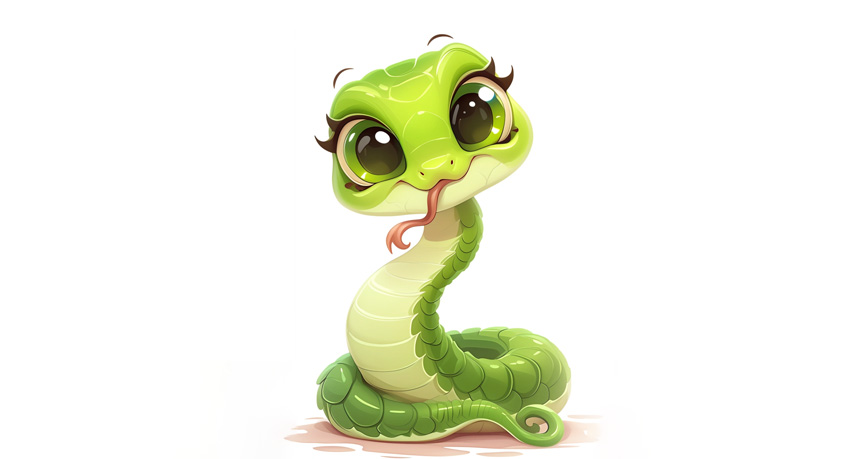
King snakes are underrated for beginners who want slightly more activity in their pet. They are curious, active at night, and surprisingly personable once they recognize your routine. One of mine, a juvenile California king snake, loves to explore the tank after lights out. I keep the enclosure clean, with a simple water dish and substrate that’s easy to replace, and the snake responds well to gentle, consistent handling. A snake hook is handy here too—less for safety, more for giving them space while encouraging exploration.
Rosy boas are smaller, calmer, and often enjoy being handled. I find they’re perfect for people who like to watch behavior during the day. They rarely attempt to escape, and their feeding routine is predictable. I remember a snowy January evening when my rosy boa refused a meal, and it wasn’t alarm—it was just a brief pause before settling back into regular feeding. These little quirks are what make snakes rewarding pets if you pay attention.
Garter snakes, while a bit more energetic, are surprisingly social. Mine always seemed curious about movement outside the tank, and a slow approach with gloved hands usually convinced it to stay in place. They like a damp substrate for short periods and occasional live or pre-killed worms or fish pieces. They’re forgiving when it comes to minor environmental slips—too dry for a day or two—and rebound quickly.
Children’s python (Antaresia spp.) and rough green snakes round out my top picks. Both are small, manageable, and adapt well to standard beginner terrariums. They each have distinct personalities—some enjoy climbing, some prefer burrowing. My rough green snake once spent an entire afternoon navigating a moss patch I misted lightly, a small reminder that attention to humidity, hide spots, and natural décor pays off.
Across all seven species, the same basic principles apply: a secure snake terrarium, temperature and humidity monitoring, predictable feeding with specialized feed, and slow, deliberate handling with tools like snake hooks. Observe behaviors, respect their quiet routines, and give them space to explore. Over time, even first-time snake owners start reading subtle signals—the slow flick of a tongue, the way a snake coils under light—and it feels like you’ve unlocked a hidden world inside a glass enclosure.